The Writing Revolution?

This year I decided to enrol in the online training for The Writing Revolution. Coming from teacher’s college and the balanced writing idea I was totally shocked regarding the science of reading (for a second or two) but then it made sense to me. We show students how to do math, we show science, we show so much, but were we explicitly teaching reading skills. I teach upper elementary, so most of my work was reading to learn, but the whole idea forced me to rethink what I believed.

So, I researched (which is what I love to do) and then kind of got into the writing aspect. My students have always written a lot, and I feel I’ve always provided insightful feedback on individual pieces to help individual students improve. But I’m not sure I was always explicitly teaching specific sentences types, or conjunctions. I used these terms, but not as directly as I probably could have.

This year’s focus (so far anyway) has been on how to be more explicit in my language instruction. I’ve really enjoyed the whole larger picture of The Writing Revolution. In a PYP environment, and transdisciplinary world, this resonated with my beliefs about teaching and learning. It also allows me to pursue our Units of Inquiry a little more thoughtfully in our Literacy blocks.

I guess I wonder how other international schools are feeling about this US kind of approach to things? How does it go over in different places? How are people feeling about it?

What data shows

Spending time with individuals and seeing them as a person, always has me thinking of next steps. Their daily interactions are of me saying something like, this part is great, next step is this. Since I’ve always been focused on the next step, I’m not sure I’ve properly celebrated yet where they are, but we started to this week. After we took the week wrapping up our unit, trying to provide evidence of all the things we knew, I was feeling a bit overwhelmed. But after looking at how far they’ve come since their pre-assessment, and looking at how well they’ve scored on the rubric, I’m actually very happy with what we’ve accomplished. We learned a lot! Today was a chance for us to kind of celebrate as a class and share our thinking on the past unit. Happily it’s report writing time, and I’m entering into this stage full of optimism for our kids.

This isn’t really the post I’ve been wanting to return with, but I just want to get back into the habit of writing.

Unpacking

AI generated image of teachers opening a box

Wow, a lot to unpack for sure. Some people were set free today. I get that it happens at international schools, but still pretty full on. And then we’re unpacking our next unit.

We get this idea that we hear from the past to kind of dictate our future. How do we really look at our central idea without drawing from past experiences. I get that it is impossible to separate yourself from your past, we use our context to make sense of our world. But is it possible to be really empathetic about how other people might not be included, like how do we know what the kids really need if we don’t ask them.

I guess all this brings me back to Schwab (2013), and how we bring the theory into the practical. Also there is this idea that we have to make a decision, run the course (curriculum) and then judge. It’s so hard at the unpacking stage to really understand how our decisions are going to work. I know that we can modify and tweak as we go through, but what consequences do our decisions have (I’m thinking this both because of the people no longer with us, and the journey we are about to go on with our students).

I guess I just wonder about how these practical problems require multiple perspectives. How do we include (all, most, representatives) of the community into our decision making process. How do we get their feedback afterwards? And I guess, does it really matter?

First part of the year

The beginning of the year is always kind of interesting. We have a lot of opportunity to get to know our new group of kids, but one of the ways we know them is through testing. I fully understand that we need to know where kids are to get them to their next step. But some of the standardised testing, seems a little bit forced?

I’m just on this because I teach two classes, and it seems like I’ve been lucky with the draw so I get all the standardised tests. I’m not really worried about the loss of teaching time, I’m more just curious if it has the desired effect.

Interviewing with a purpose

First time using the AI image generator so I didn’t have to use a photo of my students, took a couple of asks, but didn’t quite get what I want, anyway.

We went out to check out one north with the students to learn more about how business parks are created. We made maps and looked at how many multipurpose buildings Singapore has, so we learned a lot about how things are organised here.

One of the best opportunities for this Open Minds was the students interviewing adults about what they like about the business park. While we use this data to make up demographic information and plan our communities, we also share this data with JTC. The company that manages the land.

Last year was our first year doing this and it looks like the took our feedback to heart. One of the comments most people mentioned was the lack of seating in the hawker center. When we came back this year there were two new sitting areas, so it was amazing.

The parents on the trip liked seeing the success of the students and were proud of watching their kids interact with adults and collect meaningful information, all in all it was a great day.

Back in the classroom

Back in the classroom for the first time in four years I think. Should be super exiciting. I am a member of the French Bilingual team. I’ll teach one grade 5 class and one grade 6 class. Which means, I get some of my favourite units.

We’re starting off the year with the designing urban spaces unit. I can’t wait. We’re still in the coplanning stages of the unit. But we’re still going to use a map making idea to share our thinking about how a place should be designed.

In grade 5 we’re looking at electricity and how we can make more sustainable choices. So I think it will be a great start to the year.

More importantly (maybe) being back in the class means a more regular schedule which gives me more time to reflect on here.

Using scientific equipment

A new unit for us this year, but something similar to what we’ve done in the past. We’re using scientific equipment for us to better understand the resources we have in order to make more sustainable choices. So far it’s been pretty great.

I guess one of the main perks of the job is watching kids grow, I’ve known some of these learners since grade 1 (some of my grade 2 kids are now in grade 12 which is crazy, but I was doing something else at the time). so seeing how they have changed and grown as they’ve come to grade 5 has been incredible.

For this unit we’ve been using different scientific tools to measure different aspects of soil and water. We’ve got a big focus on soil this year, mostly because no one really talks about it, and also because it’s good to get dirty. The learners have been really into it, grabbing samples with their hands, exploring different textures, inquiring about the PH levels, it’s been really great.

I’m excited to see where this goes, and hope I’m more consistent with this blog so I can reflect on it as well.

Exploring our forests

Monitor in a tree

I recently just had my beginning of the year meeting for goal setting. We have a new administrator and my job is pretty unique so not everyone knows the ins and outs of it. He asked what my primary goal is, and I said connecting people to places.

In the international world, when we think about third culture kids, or even teachers who move around we do frequently miss connections to places. As I discuss in this blog, at least I feel I discuss it pretty frequently, this can lead to a lack of interest in all places and especially the environment. In order to get kids feeling safe and connected we need to connect them to their place as well.

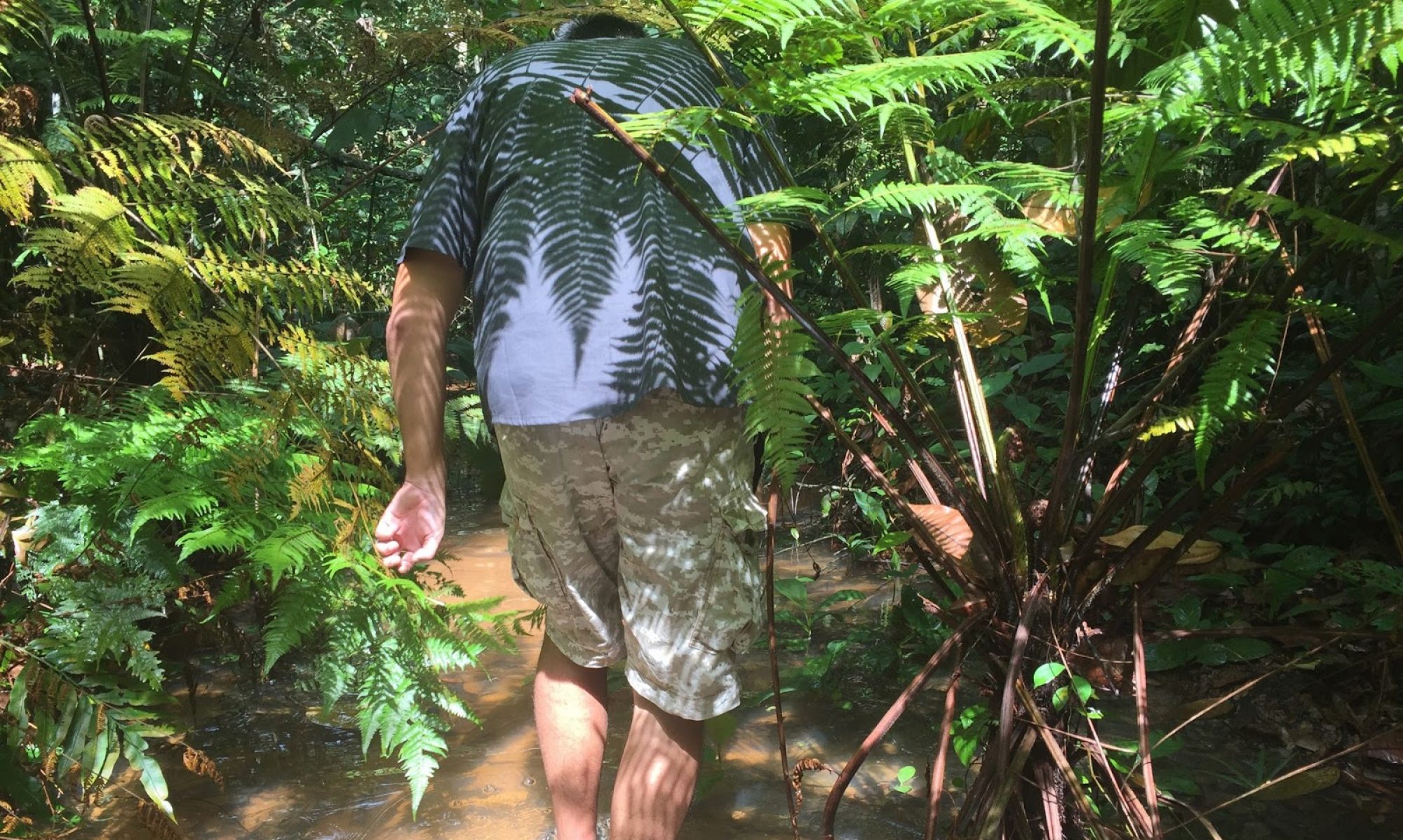
We usually start off the year with grade six, exploring our urban environment. We’ve just finished our scouting missions of our next unit which is exploring our forests and looking at ecosystem connections.

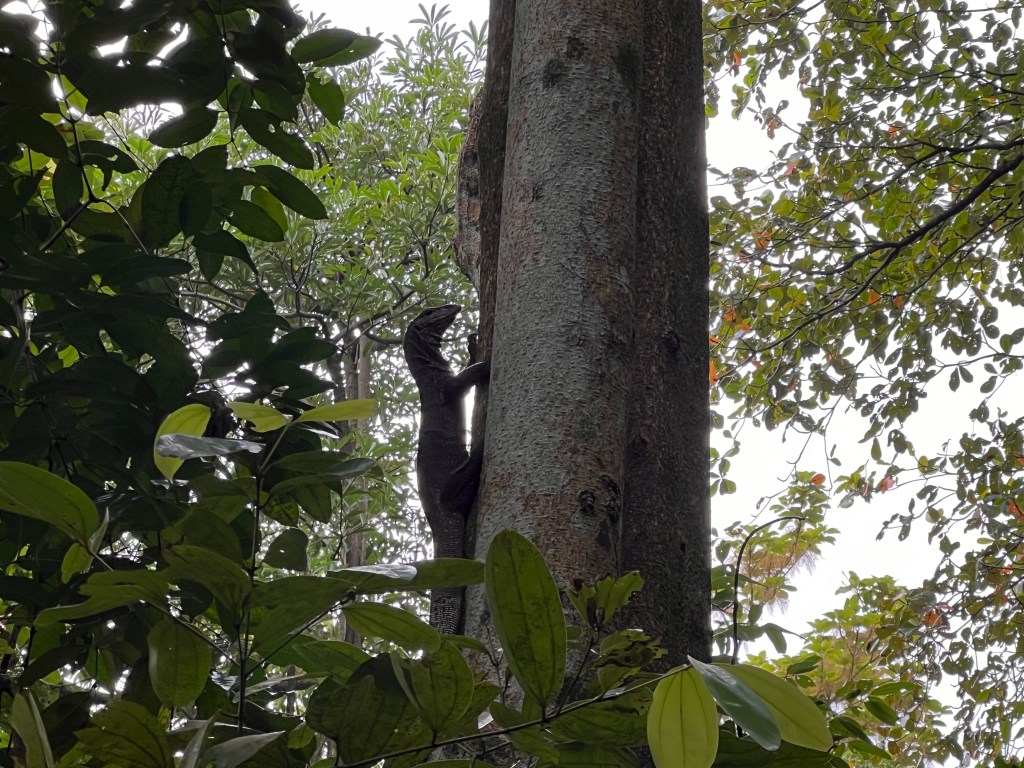
I personally love this one, it’s always a chore to choose between my first and second units out as my favourite. But out in the forest our first couple of days I’ve seen a couple colugos, a ton of monitors, crocs, birds, some macaques and heaps of insects (I’ve been snake free so far, but don’t expect that for long).

I’m just happy to be back out, while I love exploring the city, getting out into the forest with kids we get to explore different kinds of connections, it’s a couple of weeks away, but I honestly can’t wait.

Designing our spaces

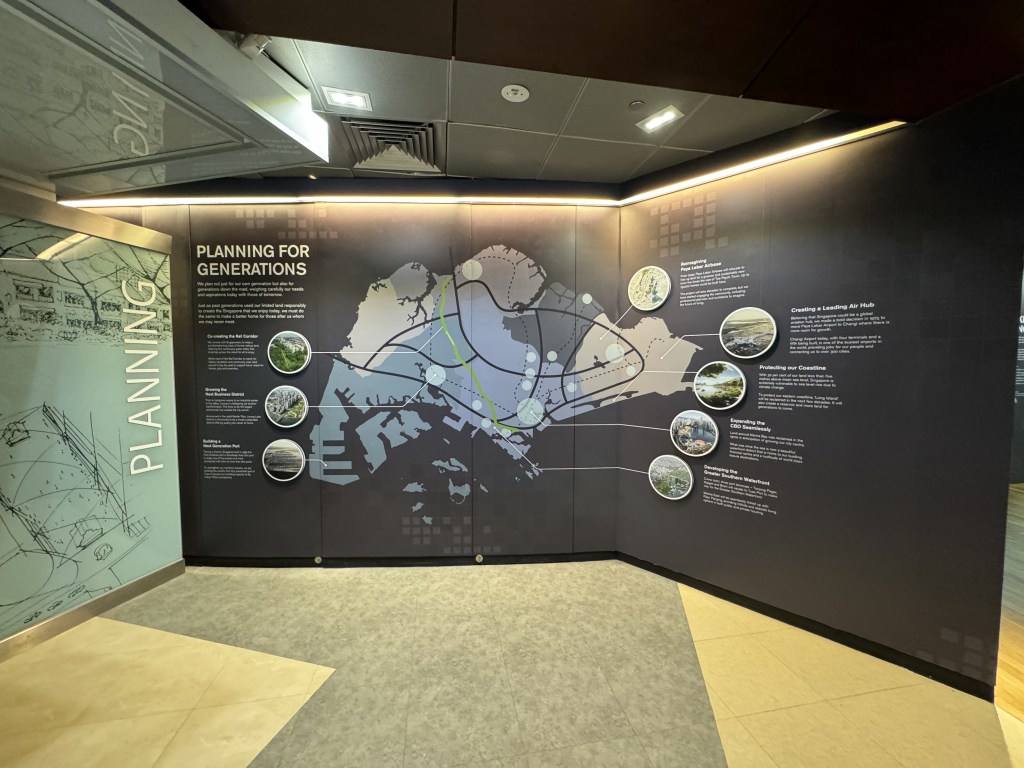
Starting the year again with our Grade 6 students. I absolutely love this unit, and I love going to the URA city gallery.

This year our students are able to choose between the places they want to design, normally we give them a space and some criteria. This year we are allowing them to think of a sustainable living space, a CBD or technology park.

While we’re out exploring the city, we are looking at how maps are created and used, we look at how Singapore is developing their city and the concepts that drive sustainable development here. We look at existing structures and natural landscapes and how they have changed and we interview community members and check out neighbourhood demographics.

In class we’ve been doing classroom mapping, drawing how we want our classroom developments and coming up with concepts about what the classroom should look like.

All of this is helping us understand that urban areas develop based on what they believe progress is, the needs of the community members and the natural environment around them.

It’s great to be back out with the young explorers, checking things out and getting to know our city better, I really love this unit.