How does diversity work at school?

What diversity are we hardwired to see?

I had a really interesting talk with my dissertation supervisor yesterday. We were talking (when we weren’t talking about my paper) about this idea of diversity in school. Her argument was that diversity in our local context is usually seen by teachers as academic readiness. So if you asked a local teacher about diversity in class, they would talk about how prepared a student was to take a new test, how academically ready they were and how they taught through differentiation.

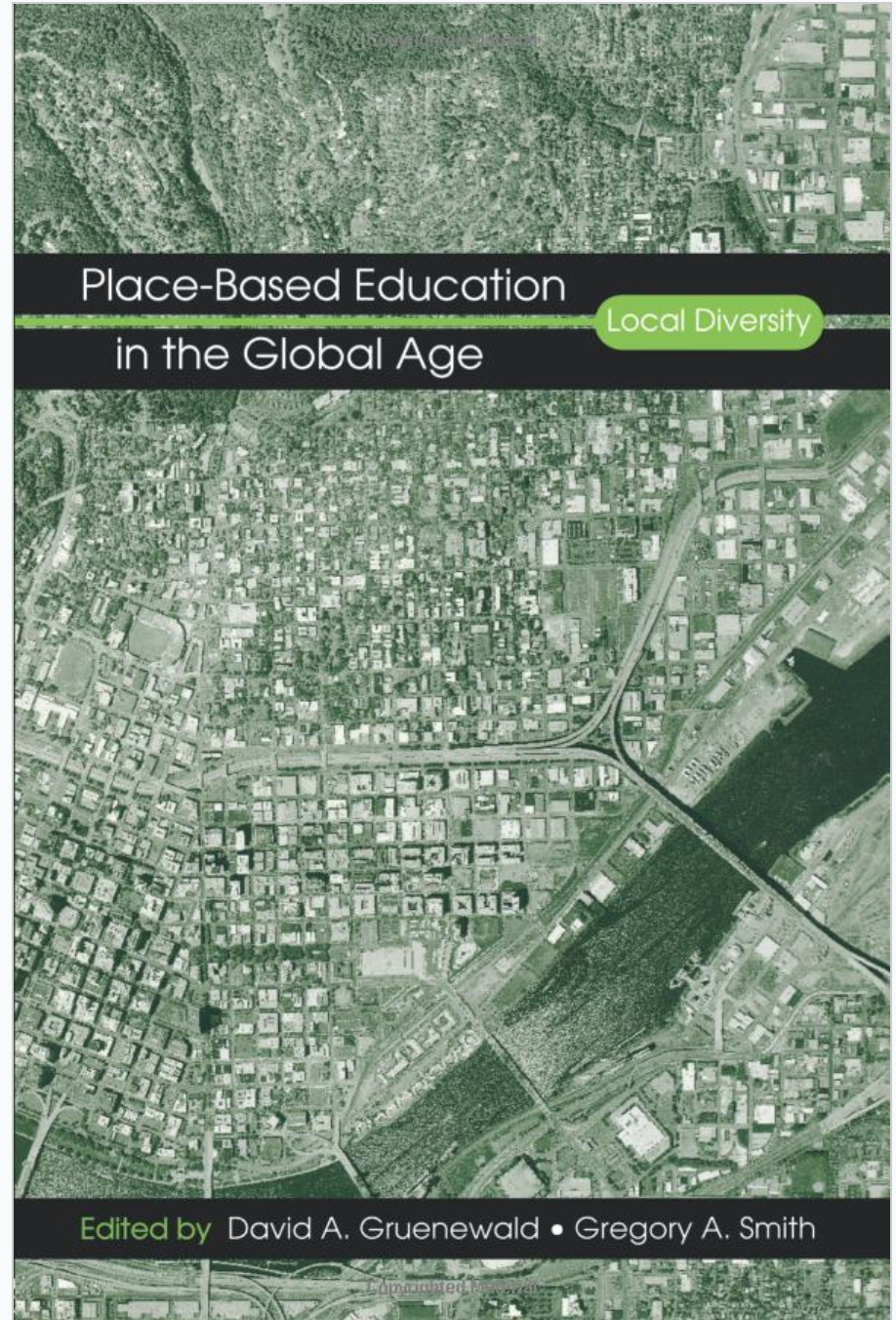
They got me thinking about a couple of things. The first was an article I read recently. “What can diversity possibly mean when school curriculum is unabashedly standardized and managed as official knowledge? What becomes of diversity when schools isolate – by law and often by lock, key and sometimes barbed wire – teachers and learners from the wider community of which school are only a small and homogenous part? ” (Gruenewald 2010, p.142). Can we really only talk about diversity when we create a world where there is only one answer, one community, one solid identity.

This connected, through Gruenewald, how important sense of place is, and also how important diversity is in creating a sense of place. Place can create a shared identity, especially when looking at this through a human perspective. However, millions of living things take part in the development of most places. We need these things, they help form and shape where and who we are.

So I guess what I’m wondering is how do you see diversity in your school? Are you wondering about academic readiness, economic diversity, cultural diversity, religious diversity, social diversity, what other things do you see? And how do you teach for or to those different groups.

Gruenewald, D. A. (2010). Place Based Education: Grounding Culturally Responsive Teaching in Geographical Diversity In D. A. Gruenwald, Smith, G.A. (Ed.), Place Based Education in The Global Age: Local Diversity. New York, New York: Routledge.

Taking time

Looking for some food

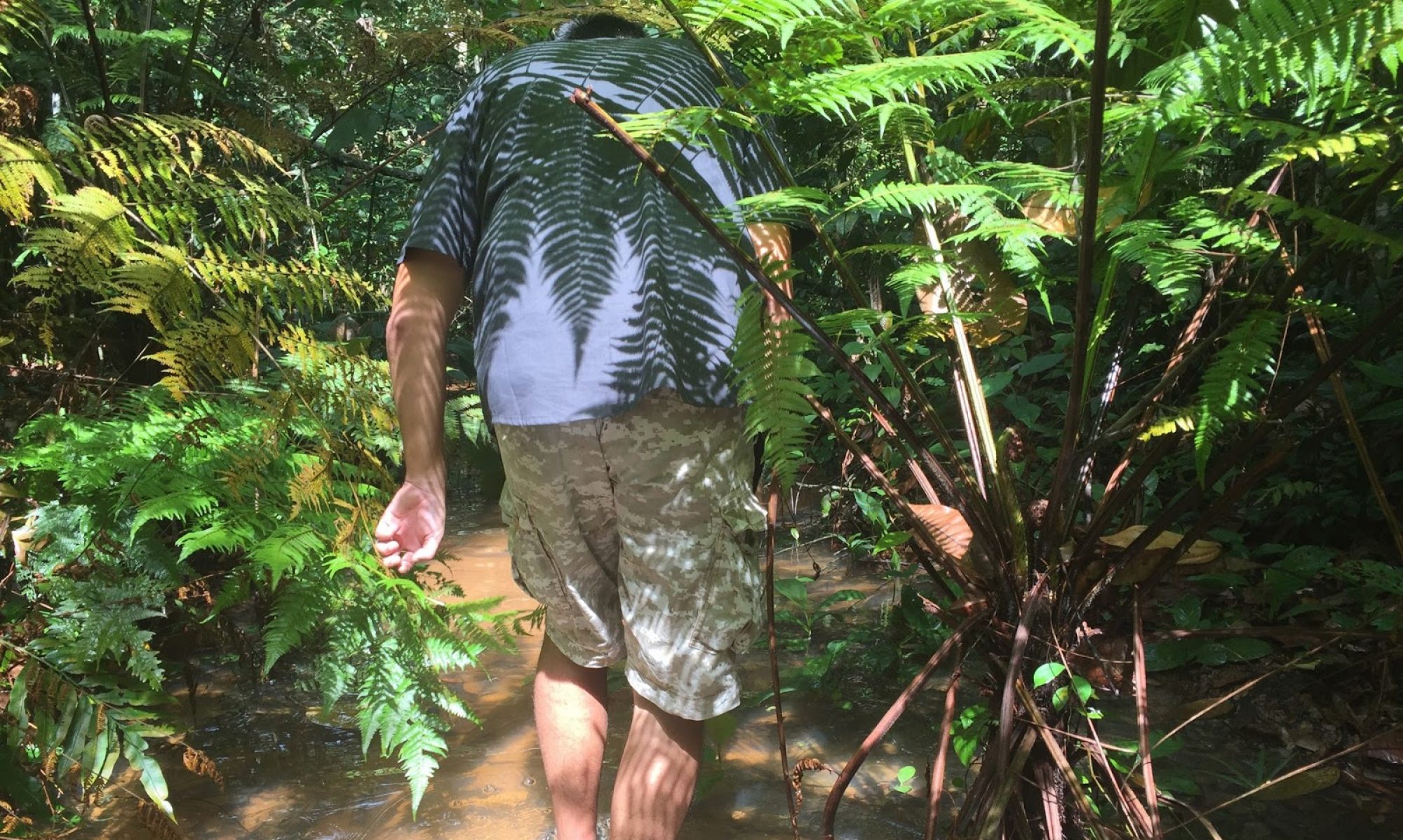
I’ve been re-reading some of the papers for my literature review, specifically ones that might help me more when I take my new position next year. This quotation seemed to fit well with where I want the program to go. “Teachers determined that extended time was required to experience the place, to value it, and to harbour the disposition to teach about it; they learned in- depth content from spending time on-site, and they learned skills to extract knowledge from site through reading the landscape.” (Morris 2017)

From what I’ve read so far (and it seems like a lot) time helps people understand, helps them develop curiosity and drives them into a deeper relationship with the land. I’ve taken half the kids to the hawker center down the street, we’ve had some interesting conversations and this week we are formalising some of our primary source feedback. But for the second half, I think I’m going to take them to the other side of the school. Across the road a new park has been developed, I think this is a great time for us to think about the “What happened, what’s happening, what should happen?” set of questions. So today we are going to spend a significant (I hope the rain holds off) amount of time pondering these questions.

Ronald V. Morris (2017) Five Star Teacher: In-Service on the Move, The Social Studies, 108:5, 175-191, DOI: 10.1080/00377996.2017.1342159

Revisiting Coyote’s Guide

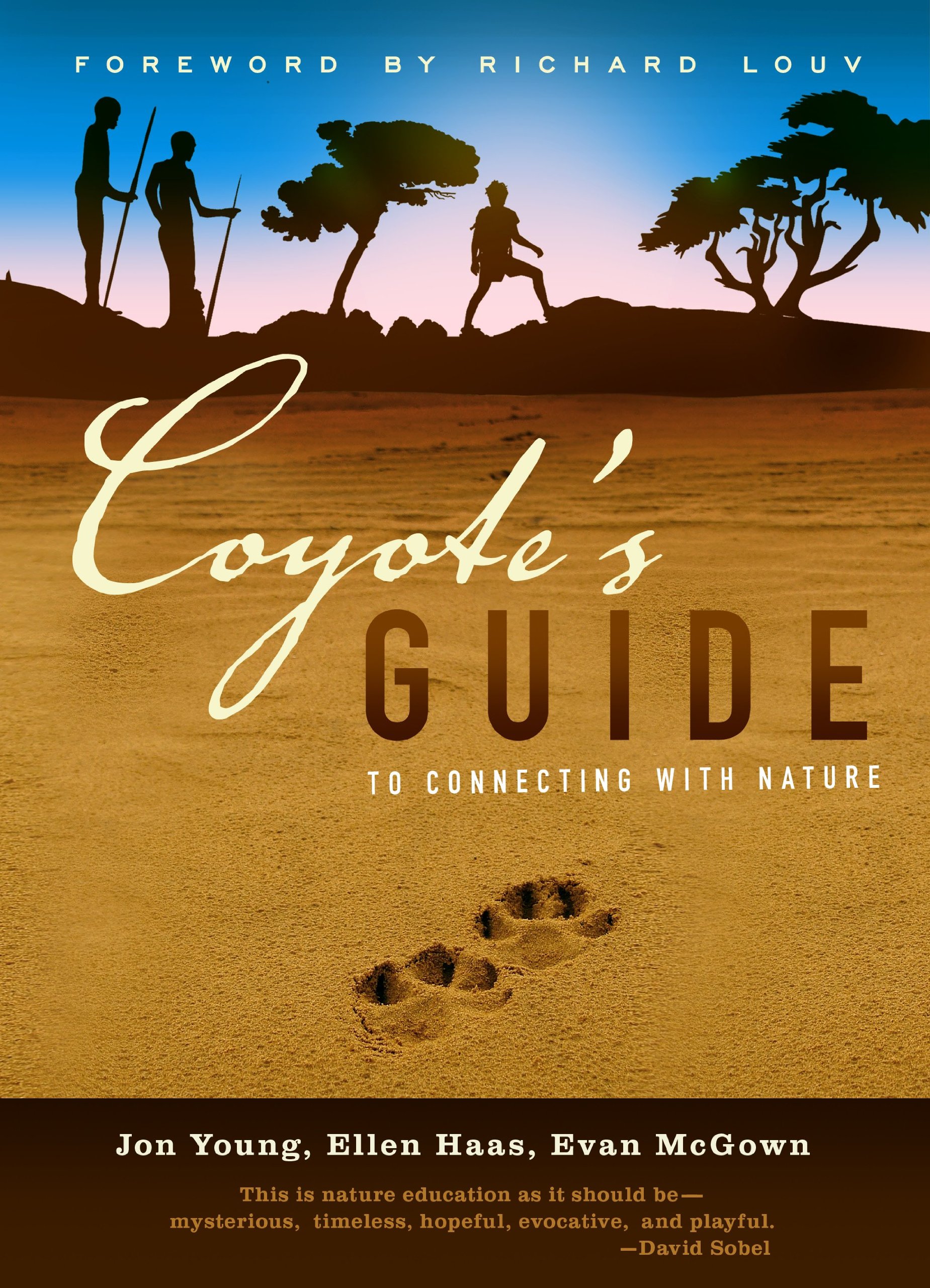
Coyote’s Guide

This is a book I often go back to, I often wonder about, and I often try to bring back into my teaching practice. With my focus on sense of place research right now I’ve been thinking more and more about how I (and maybe man others) don’t really know my directions.

I live very close to the equator right now, and I wonder about how easy it is for people to tell north from south. I have a hard time thinking about cardinal directions here and often wonder if they are important for navigating city life. What I really like about this book is that it introduces directions as a way to engage learning in the activities. It helps us think about where things come from and why the directions are important.

We often use stories of our place to bring us closer to the community, but over the next couple of weeks I really want to focus on directions and intentionally sharing the importance of knowing where we are, where we are facing and where we are going.

Three questions we can ask our kids

One of the books I’m reading

One of the books I’m reading right now, by someone I really look up to in my field of study, is Place Based Education in the Global Age: Local Diversity.

Three big questions popped out of David’s work and he said (I also agree) that we can ask these three questions of any student. What is happening here? What happened here? What should happen here?

Our current unit of study is on leadership, and what it means to be a leader, I’ve been hitting them pretty hard with the environment, but I think tomorrow I will take some to one of the hawker centres that burned down last year. It is currently up and running again and serving the community. So I think I can start asking them these questions and maybe we can connect what should happen to action we can take as students to make our community a better place, I wonder what other actions they can come up with?

Gruenewald, D. A. (2010). Place Based Education: Grounding Culturally Responsive Teaching in Geographical Diversity In D. A. Gruenewald, Smith, G.A. (Ed.), Place Based Education in The Global Age: Local Diversity. New York, New York: Routledge.