Place Based Education


Attribution
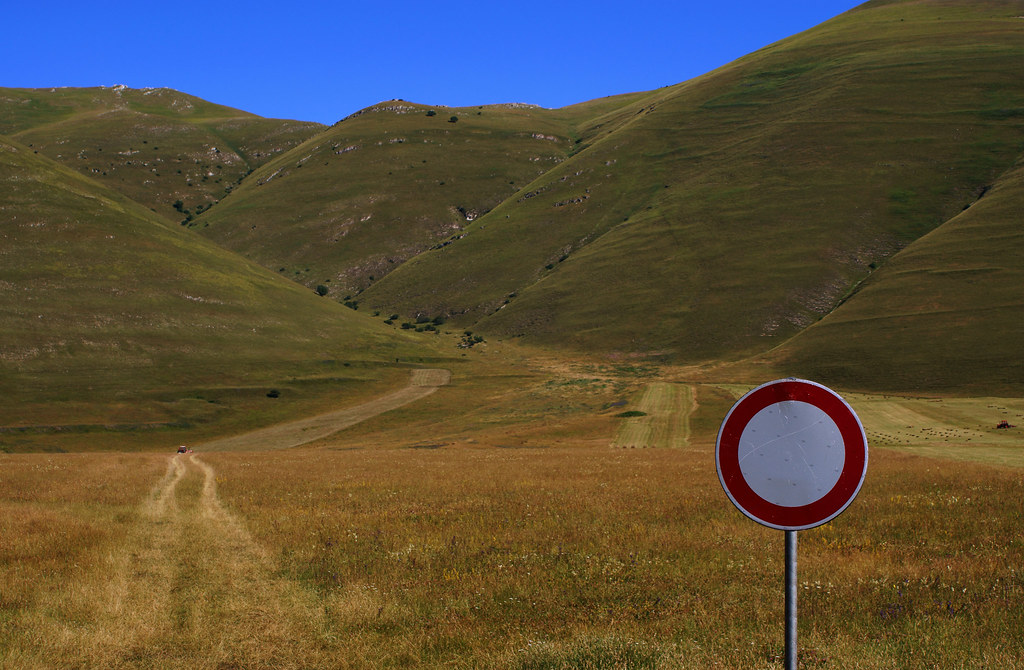
 Some rights reserved by _paVan_

Connecting people to a place has been an ongoing concern of mine. I have just started reading this book. 

Link to Amazon

One of the things I worry most about is that the focus of place based learning all seems to be on certain countries.  While many of the issues are global and easily transferable not everything makes sense in my tropical world. 

Most of what we need to do is have teachers understand their place.  Many of the international teachers are transient, we move from place to place.  This results in us not knowing so much about the place we are teaching.  We need to know more about where we live in order to help students understand the systems in place. 
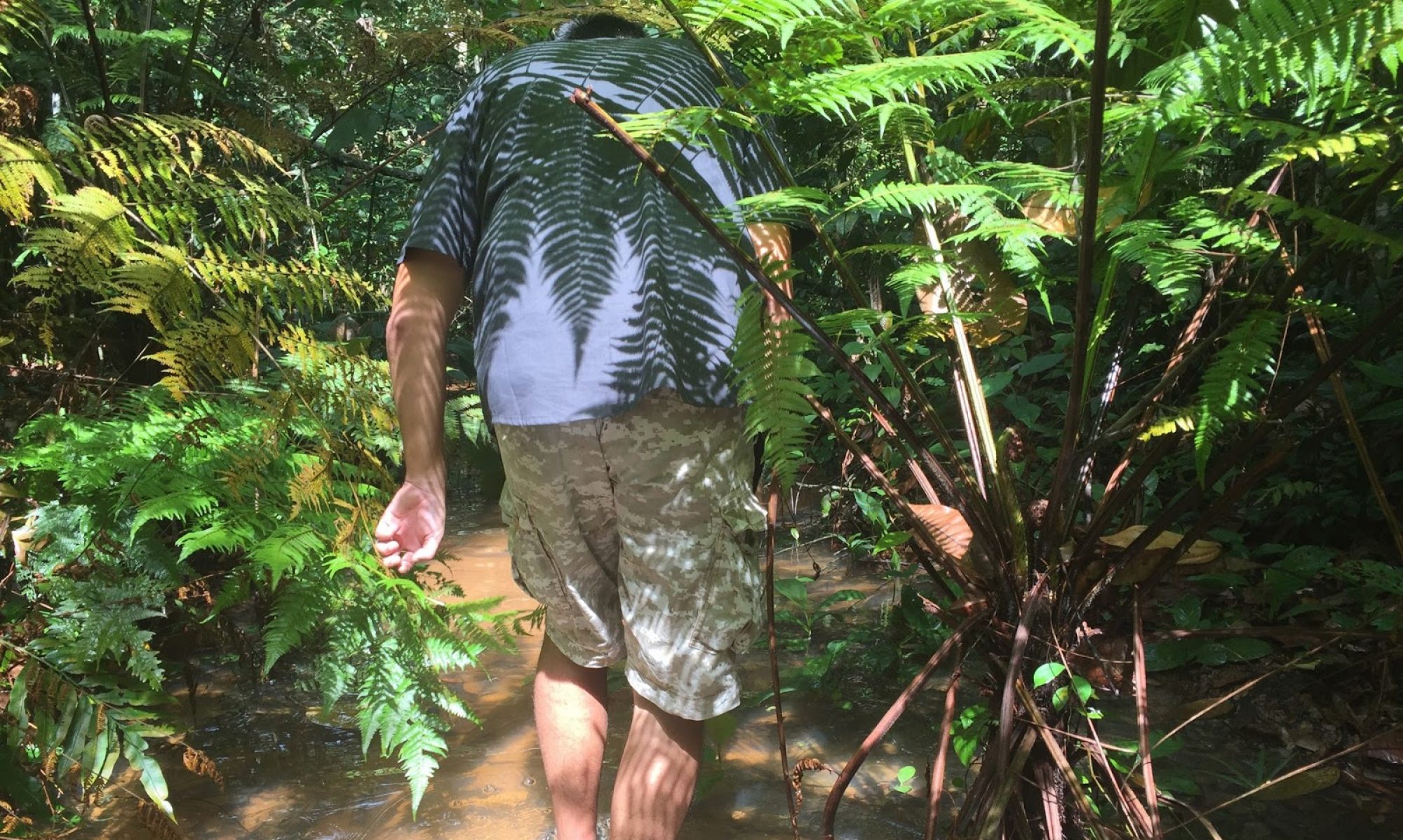
Walking through the jungle with Han the other week was a totally eye-opening experience. 

Bukit Timah Nature Reserver

Working with an expert in my new country, I learned a lot about what things were living in Singapore, where our water source was, and how to find my way around the bush without too much equipment. 

I feel much more tied to my habitat and as a result I think I can teach more effectively when I’m bringing the students outside. 

Place based learning in an unknown place

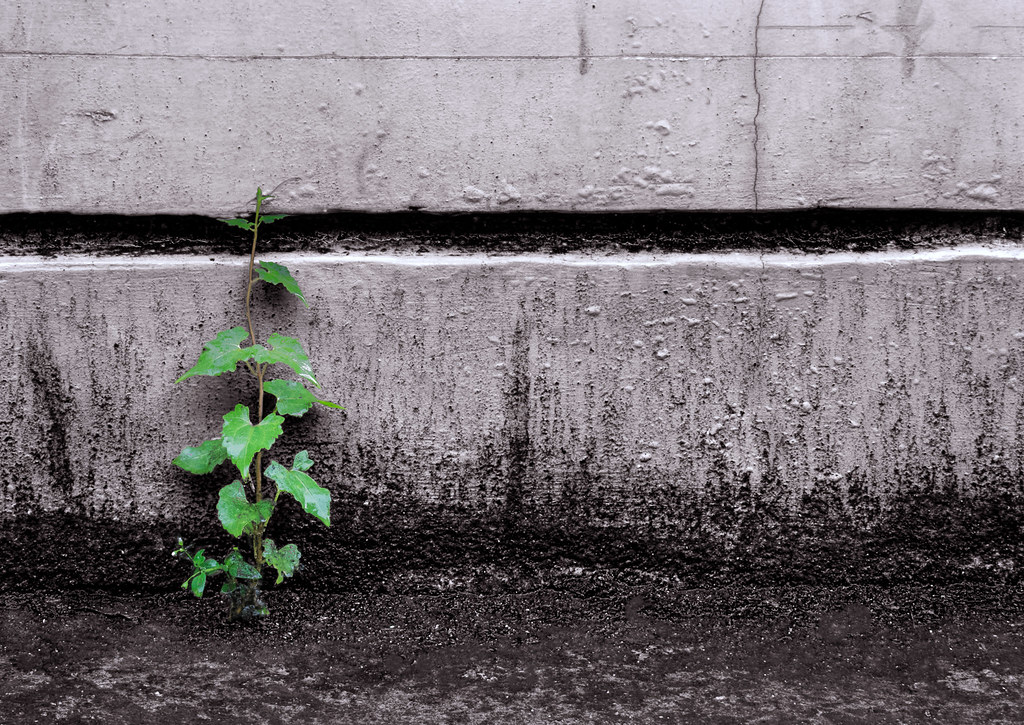
AttributionNoncommercial Some rights reserved by feeinternational

I have been thinking about this a lot and it played a role in my thesis work a couple of years ago.  I wonder how as international we can teach about a place without fully knowing it.  This year we’ve been working hard with our outdoor discovery centre trying to connect teachers to where we live.  By looking at local plants, and seeing the wildlife that lives around our area we are hoping that people are more connected. 

Sadly though this last week we had a plant catastrophe for some of the kindergarten students.  The teachers had some plants they had been growing with the students inside, and they transplanted a week or so after they sprouted.  We had the weekend off and when we came back the plants were gone.  The teachers were worried that something had eaten them, but I don’t think that was the case.  Not really sure what happened but we need to make sure that everyone in the community has the same goals.  But we need to look closely in order to figure things out.

Access to the Outdoors helps us learn


AttributionNoncommercial
 Some rights reserved by Massimo Valiani

I was reading this article about why people have better memory recall when they have access to the outdoors.  It seems like there is a lot of research out there right now where relationships and feelings matter.  Access to the outdoors, according the article help students feel better which helps them do better at school.  It doesn’t seem like it’s too hard, but it’s an important thing to remember.

So, how much access do students need? What are our experiences outside? What matters most to being outside?  I have lots of questions for the upcoming weeks.

What is Nature Smart


AttributionNoncommercialNo Derivative Works
 Some rights reserved by FotoGrazio

Just had an interesting conversation with a grade 5 teacher about “nature smart”. 

He wasn’t totally convinced that multiple intelligences were something we should be teaching towards, specifically with nature smart ideas. 
I fully understand that encouraging people to develop growth mindsets can get them out of a box of learning a specific way and not just focusing on their strengths. The conversation which really got me though was, what was nature smart? 
In the book he was looking at it said something like liking animals as a basis, his question (and rightly) was who doesn’t like animals? Does that really make you nature smart. 
I started talking about the ability to see things in systems, not really sure if that’s nature smart, but looking at connections between animals, and creating empathy that kind of thing. But wasn’t really sure. 
So this week will be digging a little deeper into my ecoliteracy book, trying to convince him about maybe thinking ecoliterate is a little different from nature smart, we’ll see. 

Finally getting outside


Attribution
 Some rights reserved by Eneas

The past couple of weeks here have been “haze filled” so students couldn’t go outside very often, this included recess. 

After reading Richard Louv and learning more about nature deficit disorder and experiencing these last couple of weeks, it’s easy to see how a school needs their students outside. More than just running around or getting exercise, students need the connection to other living things.  
Many of the units we’ve been inquiring into have looked at how we organize ourselves in groups.  The younger students especially had a difficult time with this because they had little time to connect with other living things (at least that’s what I think).  By building that empathy with other things we are more able to see ourselves as part of a system. When we see ourselves as part of a system we’re more likely (I think) to see how we can work for the benefit of a group of things, rather than just ourselves.
We (as teachers) had never really thought of this aspect before the haze.  Now we are wondering how we can reshape our units, to really look at how other living communities organize themselves, and if that is true, than how can we organize ourselves to benefit the community. 
We definitely had some interesting discussions, and once our term break is over, we’re all ready to finally get outside. 

Outdoor Discovery Center


AttributionNoncommercial
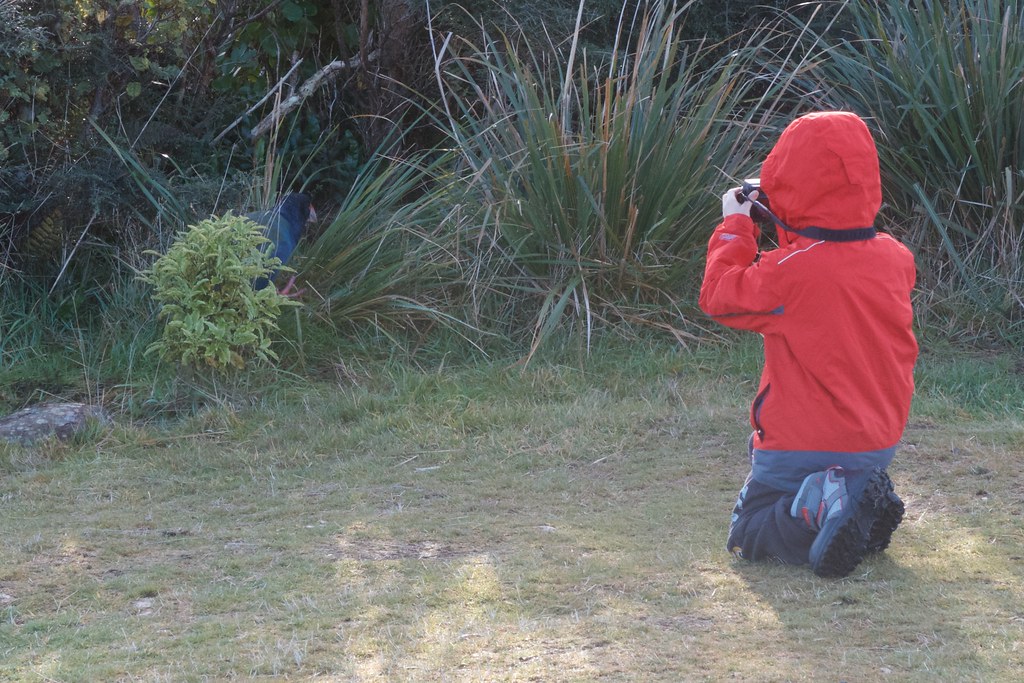
 Some rights reserved by Mollivan Jon

Our Outdoor Discovery Center opens this week.  However, “The Haze” is making it nearly impossible to go outside. This is going to be a great way for students to learn about how to take personal buying action (hopefully).

We’re going to be Looking Closely.  But first we’re going to find spots to look closely.

This week I’m headed out with the teachers after school to look for great spots to notice life.  Then we will bring the students out with cameras and get them prepped for sitting still and being patient and then being a part of our living community.

With the smoke everywhere outside, I don’t know when we can get the students out. Fall break is fast approaching so we may have to wait until after then, but we are all really excited.

Diversity Matters


AttributionNoncommercialNo Derivative Works
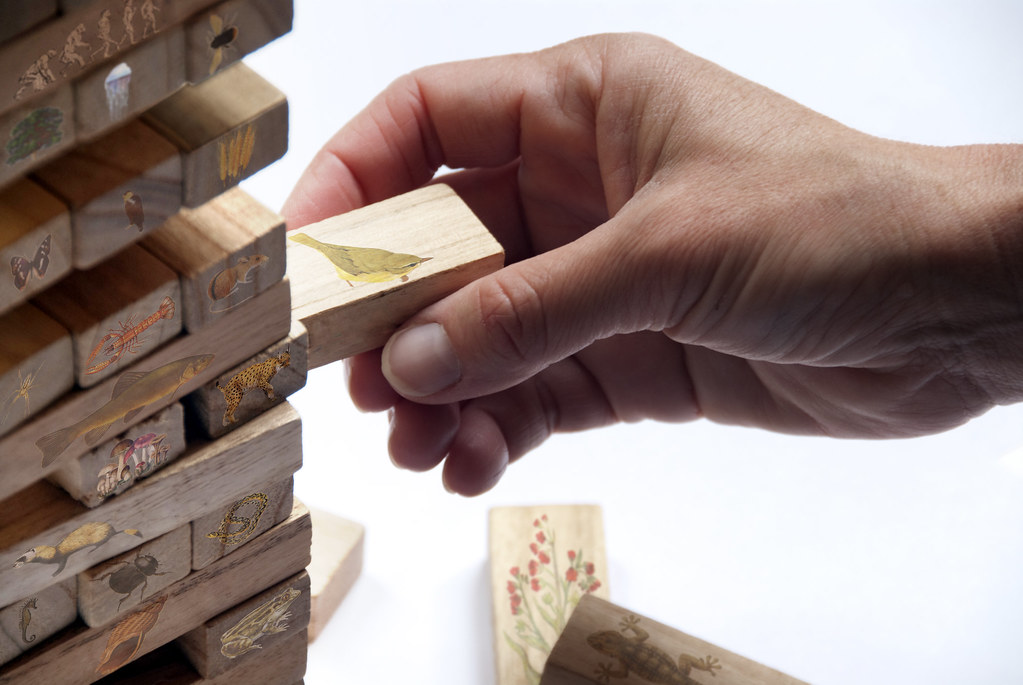
 Some rights reserved by The Open University (OU)

I’ve been wondering a lot lately about the importance of diversity.  Too often in the classroom teachers are trying to create an “ideal” student, or a student that fits their particular preference.

When we think (or when I guess environmentally minded people think) about the environment we think of the strength of diversity.  How it helps make our system stronger, which in turn helps make us, as humans, better.  I guess I wonder who does this in class, we often talk about how we appreciate different perspectives, and different ways of knowing, but in my trips through classrooms I don’t know how this is championed or truly used.
How can we as groups look more towards the diversity of our classroom? How does it push our thinking? How does it makes us better learners? Then, can we look outside, and see how our local community works, see what makes it strong, it’s not everyone being the same, it’s everyone being different.  
How can we engage learners in our class to focus on diversity? Recently I read an article about student centered learning my biggest takeaway was this.

You cannot counter structural social inequality by good will.  You need to design structural equality into the classroom.  
          Structuring equality in classroom discussion–in a lecture or a seminar–is actually quite easy to do but it is not intuitive. At least, it was not intuitive for me. I learned several tricks from other people and I pass them on every time I give a public lecture and use at least one or two of them every class period.  They work.  They change the dynamic.  They change the way everyone participates.  When the situation is equal, no one hides, no one wants to hide, and no one bullies.
Looking forward to trying to make this happen

Environmental Leadership

AttributionNoncommercialShare Alike Some rights reserved by North Cascades National Park

This week was pretty exciting.  One of my teachers has asked me to do an environmental leadership class which was great. Now every Tuesday I have dedicated environmental time in a class. 

It’s been a year, but it’s a huge first step for me. 
Our first adventure will be in our garden, and then we’re going to sit outside and find our sit spots.  We’re going to start developing a sense of place and a better understanding of our environment in order to be real leaders and work with our community to enhance our place. 
I’m really excited.

Sit Spots into Nature Journals

AttributionShare Alike Some rights reserved by eliduke

Over the summer break I read Coyote’s Guide.  I want to get better at mentoring people who go outside.  I used to call them Magic Spots, but in the book they are called sit spots.  Sit spots help build empathy, understanding and systems thinking in students.  By sitting outside in your specific place you can watch change, and see how nature “works”. 

Last year, I tried to develop a sense of place in students by taking photos then making a time lapse to see change, and then share that change with others.  I think it worked alright, but I want to incorporate a nature journal this year. 
I had a bit of time this summer, so also read To Look Closely.  The idea of the nature journal and sit spots are tied together pretty tightly here.  It adds another level to the sit spot.  I used to sit in a circle and discuss what we saw and felt but there was no other form of documentation.  I think that by using a sit spot with a nature journal I can help develop a sense of place in students. 
I’m not quite sure what the nature journal is going to look like just yet, but I’m going to start with notebooks, hopefully with blank pages, no lines to inspire a whole no boundaries approach. 
Here’s hoping.