![]() |
Just got back from a vacation and have been wondering a lot about what we need to do to fully redefine what we think of media literacy.

Exploring the Environment
![]() |
Just got back from a vacation and have been wondering a lot about what we need to do to fully redefine what we think of media literacy.
![]() |
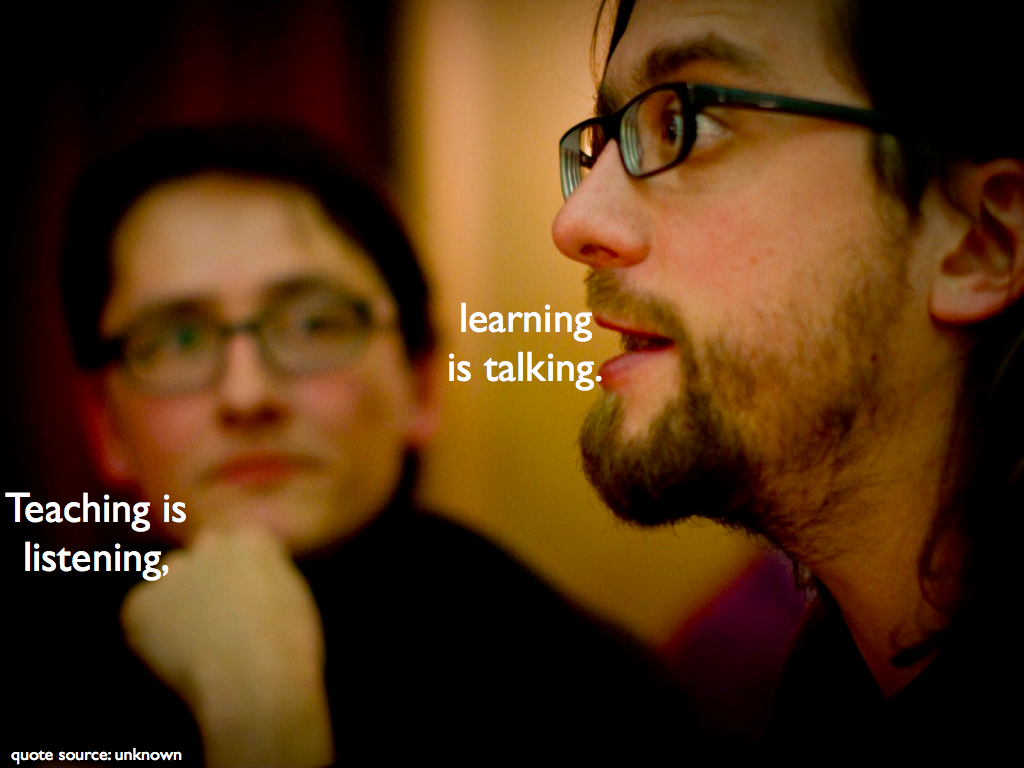
Last week of classes for the term. Exciting times for sure, and a good time to practice our listening skills. Most of us are distracted, thinking about other things, wondering what is going to happen, what we’re going to get, so this week has been great for trying to clear our mind, we haven’t been totally successful, but it has been fun.
Starting to formalize this final project for Coetail, collaboration is new for some of these students, especially collaboration of project or educational design, so it’s not easy. But I think it will be rewarding for all of us.
![]() |
We’ve started our project about connecting students, seems okay so far, but we noticed something, we rarely listen. Before we went online, we started sharing our migration stories, what that meant to us, but no one really listened to the other stories.
![]() |
![]() |
![]() |
I really want students to start thinking about how to make positive connections online, and then transfer those feelings into the “real” world. I think that if we start fostering a connection before students transition into a new school we can make friendships more meaningful before students come. We can also make deeper connections to other schools who may not be ever coming to see us.
I’m going to start this project in the new year with the grade 3 class studying migration ( I just checked my first UbD for Coetail and it was also about migration, funny huh?).
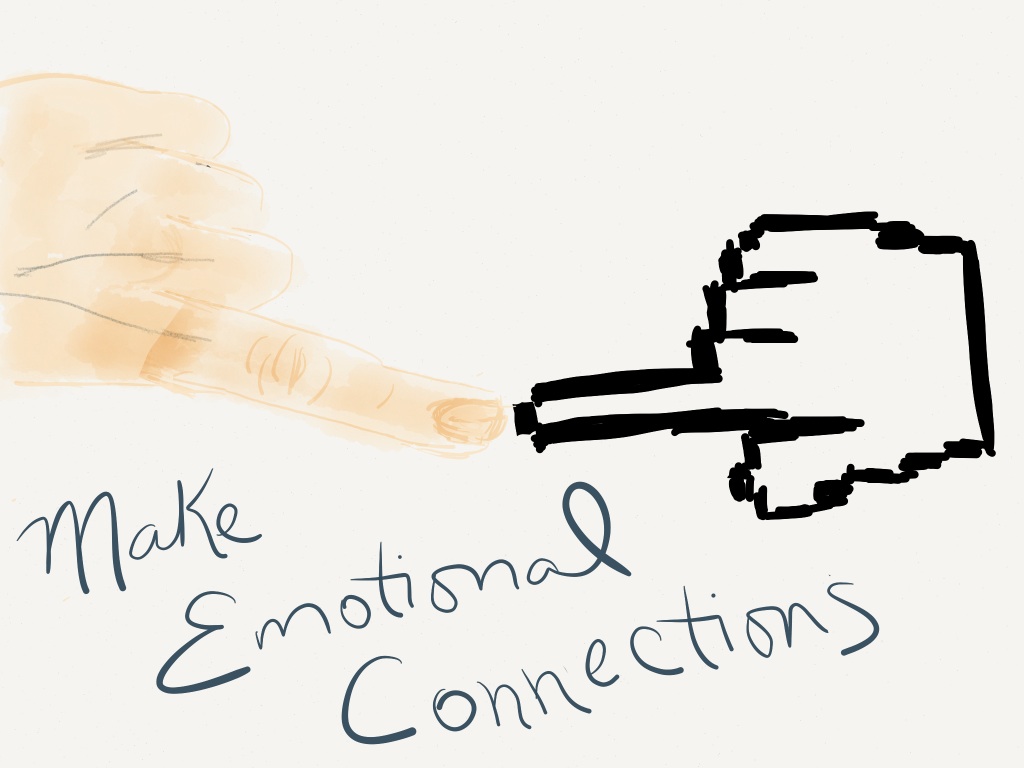
The important bit for me is making the emotional connection, the product and most of the process will be student led (I hope) because we are working on empathy and connectivism.
Here’s hoping anyway, let me know if you have any ideas.
![]() |
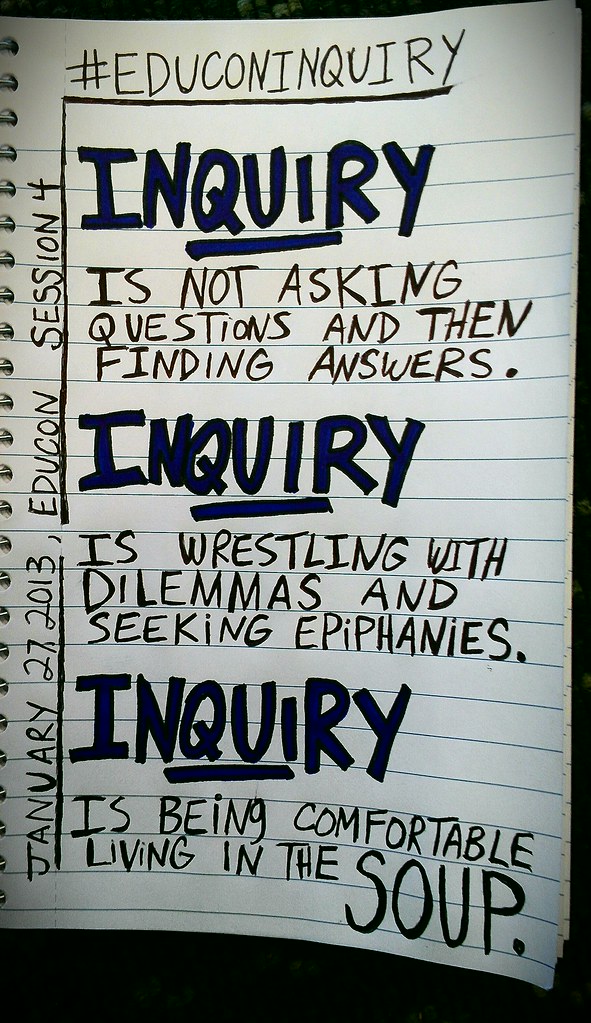
I think problem based learning is pretty critical for our developing of thinking skills. We need to start seeing problems without the need for immediate solutions, we need to work with teachers to help students understand it’s okay not to know “the” answer.
![]() |
In George Couros’s quick blog about what learning is, he talks about the importance of connectivism. The whole purpose and idea surrounding education now (or so it seems) is that we can connect to other people, and grow together. Like Louise I’ve always considered myself a co-constructivist, and I think that these two theories blend together quite well. We co-create our knowledge, it is no longer limited to within classroom walls, or at a specific time. Learning is everywhere, all the time.
I think that slow education can be powerful for this, even if we are online we can have meaningful interactions, we just have to focus on our connections. Going slow, even online, to make those connections meaningful and emotional can make for powerful learning (I think).
Really thinking about the classroom as a learning space today and was reminded of this video of +Jeff Utecht
I especially like the Jack and Jack part around 12:50.
How do we interact with students who are doing more than us, what do we do to shape this learning?
Excited to work with teachers on this and explore together in the upcoming weeks.
![]() |
I’ve been wondering about how important “flipped learning” or “reverse instruction” can be for learning for our classrooms.
![]() |
Phenomenology is the idea of making meaning from your lived experiences (basically). During my master’s research I used this methodology to dig deeper into my understanding of what it meant to be an environmental educator. As a teacher, I believe in the idea of constructivism, and making meanings based on your previous experiences. So much of learning for me is experiential based, we learn by doing, and reflecting on our actions (either in groups or on our own). With this idea of knowledge as being, I wonder a lot about gamification in the classroom.
My main questions when thinking about gamification or anything really online, is what is real? If we learn from our experiences, what is an “actual” experience. I think this video is pretty powerful, and I think it’s something we have to think about as educators, especially when we are moving beyond “connections”. So as educators when we are thinking about gamification, we have to think about creating authentic gaming experiences.
![]() |
Frustrations first, earlier this year we had a math website rep come to our school and talk about how their website gamified education, we had a lms platform come in saying they gamified learning. They did this through badges and scores. It totally put me off. Badges, scores, etc. don’t make a game. A real purpose or challenge makes a game. Through this real purpose you can have opportunities to level up, or earn points but clicking a button to “practice” math skills is not a game. It’s clicking a button (that has no real learning value).