Change my view


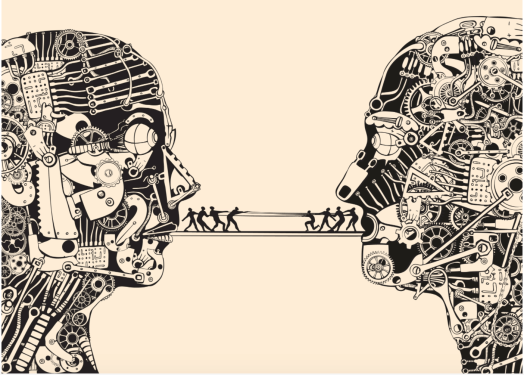
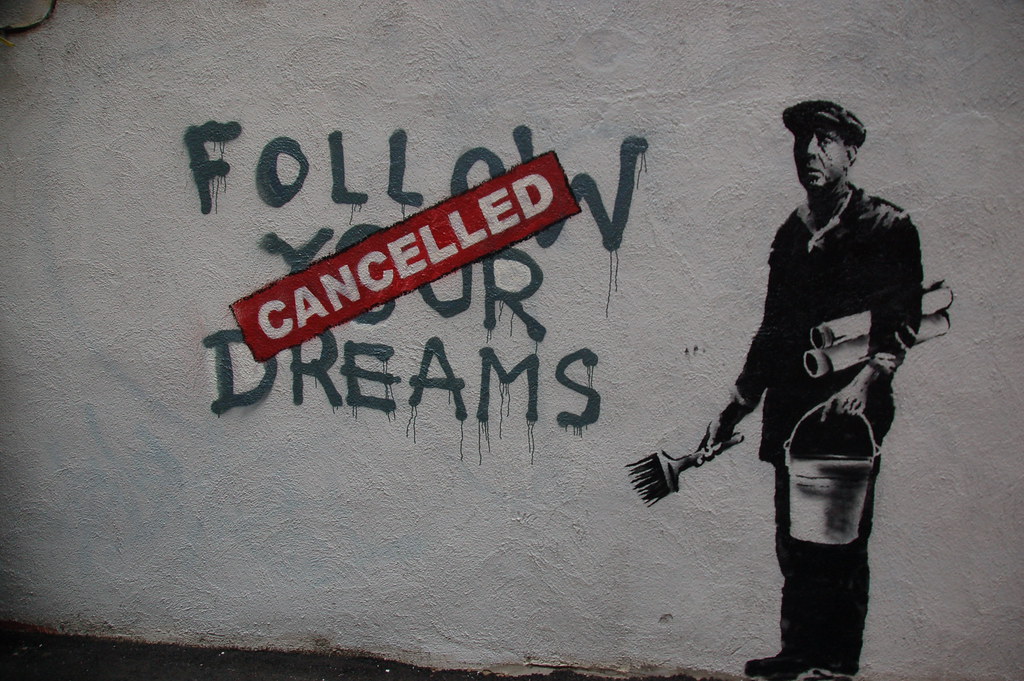
Screen Shot 2017-10-24 at 9.42.38 AM
taken from: https://youarenotsosmart.com/2016/10/09/yanss-086-change-my-view/

I recently took to twitter about this.  I’ve been listening to this “You are not so smart” podcast and most of them are really great this one really got me thinking.

There is a community of people on reddit who willingly want their points of view changed. Last year I went to a conference where we talked about bad ideas and how to turn them into good ideas. My idea was bad decision or opposite decision app.  This podcast goes along the same idea.

My biggest wondering after this podcast was, how do we get people to the point where they want to change their view.  How can was as teachers get students to understand that their beliefs are theirs because of the things they know and the experiences they have had but they aren’t always “right”.

Another thing my wife and I really enjoyed was the ideas about how to changes someone’s mind who wants it changed. Previously they did a number of backfire effect episodes where they talked about how to change people’s minds who don’t want to change their minds.

I think the idea of brining people together who are open minded and wanting to change how and what they think can be really powerful. I want to get started created something like this.


When are things actually private


AttributionNoncommercialShare Alike
 Some rights reserved by nitot

It’s been interesting this year talking to students and other teachers about what is private, and how things are private. 

One of my teachers wants to share more of her work.  She is doing pretty interesting things and wants feedback and ways to share her knowledge.  She is however afraid that her ex will follow her, and she doesn’t want anything to do with him.  She’s worried about what it means to go public and if sharing is actually worth the stress of knowing he is still watching.  I totally get that, I mean, it’s obvious (at times) to see who is watching and when, but if you go public it can be hard to stop specific people from accessing. My wondering is how important is it, I mean as long as there is no harassment, who really cares and if there is harassment we can block and go to the police, however, she feels much safer not publishing. 
One of my students email was “hacked” he was telling people about his personal account, and someone accessed it and sent some not nice email. I guess firstly I don’t believe it was hacked, but if it was, that’s an interesting story, we keep using the common sense media image where we protect our private information, but that is difficult for younger students. 
My wondering most of this week is, as we continue to be more connected we are less private, and I don’t know if we are teaching how to actually be safe to students, or how to live safely in a very connected world. 

Wow?

Attribution Some rights reserved by a loves dc

I don’t often talk about feelings I guess, which is not great; but, this week was crazy.

Two of the things I firmly believed in (not just thought I believed in, but thought everyone believed in) were proven to be untrue this week.  
I believe(d) that people genuinely were starting to care more about our environment, our place, our world, just I guess everything that is involved in our living system.  I thought everyone in the world was moving towards a better (even if it was still far from perfect) world.  Wow, the election proved me wrong.  How can people still deny climate change? How does that honestly still happen?  I honestly couldn’t believe it. 
Connected to this, I believe(d) that people are more connected to something in their community or globally now.  I thought that it was more global, but also believed we were just overall more connected to something around us.  Again, isolationism as a result of our election.  How can people seriously believe that we can operate on our own anymore? How can people think that imaginary lines drawn across land mean anything?  What benefits do we have from doing things on our own? 
I don’t know.  
I think media failed me and many others, I didn’t that this was possible. I understand the role I played, how I was compliant to listen to people who believed the same thing I do, but to not even think of this as a possibility is alarming.  As an educator I have to be more aware of how we actually search and what we intentionally make ourselves available to.  
I think we failed each other.  We haven’t really been listening to each other and our problems, we don’t know what our community is feeling especially in regard to what they are scared of.  
As an educator I think we have an exciting opportunity to work with students to make sure change is going to continue to happen. But it’s been a disturbing week.

Launching our Enviroed

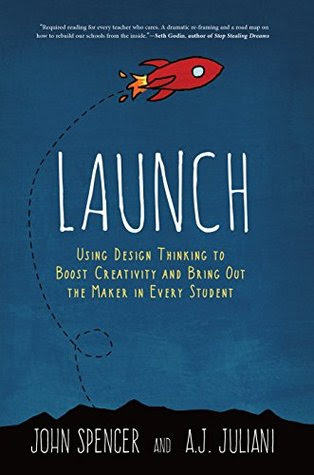
A group of us here have been working on reading this book for a book club.  We’ve started chapter one, and it talks about some of the barriers to growing, but also to the opportunity for success.  We need to make learning real, and meaningful for our students.  The authors suggest that one of the best ways to do this when making something is to actually release it to the public. 
As always I think back to how does that work for environmental education.  What does that mean for people who don’t have a product? 
So I thought that instead of launching a thing, we launch our place.  We need to get our community involved in our place, and how we grow with it, and for it.  By bringing in parents, grandparents and people throughout the community we are sharing our learning and wondering in a more real way, something that transcends the classroom. 
I’ve been thinking a lot about intergenerational learning in an international school.  Can we show different gardens from around the world, have people walk through their gardens on skype or something and talk about them, why they grow what they grow, how they do it, what their soil is like, how to know when to harvest. 
Bringing people together is so important, with the Launch mindset we need to somehow launch our learning space, and our ideas, get feedback from the community and work on building our community, rather than building a product. 

Unity and standards: What are we aiming for?

       AttributionNoncommercialNo Derivative Works Some rights reserved by Chris Devers

Thanks again to the Place Being Resonance book I’ve been stuck in a world of wondering.  I apologize in advance. I know at times I am not clear in my writing, and this thought isn’t fully formed, so it might not make the most sense. 
While reading it talked about what our destruction of the world looks like, and it looks like progress, parts look like sustainable development, parts look like social justice.  It looks like we are supposed to be doing the things we are doing because that’s how people develop.  In order for humans to be unified (economically, socially, etc.) other things have to (and do) suffer.  So, when we are looking at unity, we are often just taking an anthropocentric view of what we need (and people would argue why wouldn’t we think of humans first) and we forget about what our system (The Earth) needs. While we are going for unity, I’m not really sure we know who we are unifying with, and who (or what I suppose) we are excluding. 
It’s really difficult for anyone to step back from themselves, deconstruct what they think, challenge the dominant culture and make a difference.  Where do those ideas even come from? So how can we expect people to actually protect our planet when we don’t even know what we don’t know. 
While I was pondering this, I started thinking about school, and how we are trying to hit standards and go through curriculums, and just race through to show progress.  My mind kind of paused for a second, what and who are we progressing and for what end?  Place Being and Resonance wants us to challenge how we teach, why are we moving towards more data? What is growth? Who benefits from our current system of education, and who suffers? I think deep down we know the answers to these questions, but it is difficult to challenge a system that wants to engage and enlighten our learners.  When we have public school systems that want to bring up literacy are we focusing too much on a specific type of reading? So much was flying through my head. 
I’m not really sure where to take it from there.  I know I have to listen more (not just to humans, but I need to be aware of the voices not being heard or acknowledged).  I know I have to slow things down and encourage actual thinking, and actual listening in my students.  I know I have to encourage students to be aware of a multi-vocal, eco-centric (as in not just anthropocentric) view of our planet. 
I guess the real question is how can we see the system we are in and try to fight for that system, while being aware of the multi-faceted aspects of our world.  How we can honestly unify through diversity? 
Frustration then Faith

AttributionNoncommercialNo Derivative Works Some rights reserved by sarahgb(theoriginal)

Wow, these last couple weeks have been really frustrating. Working with teachers and coaching one on one, a lot of them feel frustrated that they haven’t met the particular outcomes they felt they needed to meet.  We’ve talked a lot about content vs concepts, and moving towards changing our thinking with our culture of thinking model. 

However, what struck me recently was how important documentation can be to bring faith back into the teachers.  Too often when we are in the classroom we are seeing the students as they are, not where they were.  At the beginning of the year, it required so much faith in our students in order to believe they could get as far as they did, now that they are here, we can’t be frustrated, we need to know they can get to the next level. 
In teacher’s college we talked about the importance of high expectations, and I think this is very similar.  We need to have faith that students will get there, they will understand, they’ll be successful in our classes. If we are only looking at the things the students can not do, we foster that kind of thinking, we need to help the students believe that all things in learning are possible. 
Reports are coming up, working with some teachers on how to create more evidence for next year. It’s been really exciting so far. I’m glad I’ve started coaching more than just being in an edtech role.  It has got me outside a lot more, had me more meaningfully involved in planning meetings, and teachers are now asking me a broader range of questions. 
Happy days. 

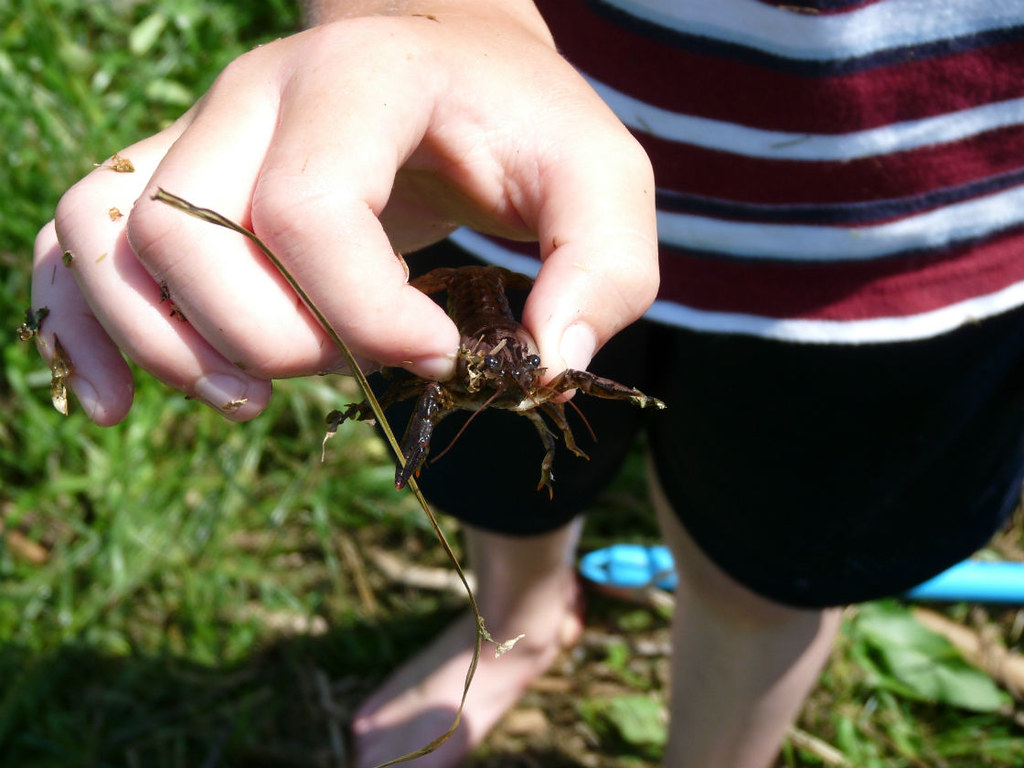
Finally getting outside


Attribution
 Some rights reserved by Eneas

The past couple of weeks here have been “haze filled” so students couldn’t go outside very often, this included recess. 

After reading Richard Louv and learning more about nature deficit disorder and experiencing these last couple of weeks, it’s easy to see how a school needs their students outside. More than just running around or getting exercise, students need the connection to other living things.  
Many of the units we’ve been inquiring into have looked at how we organize ourselves in groups.  The younger students especially had a difficult time with this because they had little time to connect with other living things (at least that’s what I think).  By building that empathy with other things we are more able to see ourselves as part of a system. When we see ourselves as part of a system we’re more likely (I think) to see how we can work for the benefit of a group of things, rather than just ourselves.
We (as teachers) had never really thought of this aspect before the haze.  Now we are wondering how we can reshape our units, to really look at how other living communities organize themselves, and if that is true, than how can we organize ourselves to benefit the community. 
We definitely had some interesting discussions, and once our term break is over, we’re all ready to finally get outside. 

Diversity Matters


AttributionNoncommercialNo Derivative Works
 Some rights reserved by The Open University (OU)

I’ve been wondering a lot lately about the importance of diversity.  Too often in the classroom teachers are trying to create an “ideal” student, or a student that fits their particular preference.

When we think (or when I guess environmentally minded people think) about the environment we think of the strength of diversity.  How it helps make our system stronger, which in turn helps make us, as humans, better.  I guess I wonder who does this in class, we often talk about how we appreciate different perspectives, and different ways of knowing, but in my trips through classrooms I don’t know how this is championed or truly used.
How can we as groups look more towards the diversity of our classroom? How does it push our thinking? How does it makes us better learners? Then, can we look outside, and see how our local community works, see what makes it strong, it’s not everyone being the same, it’s everyone being different.  
How can we engage learners in our class to focus on diversity? Recently I read an article about student centered learning my biggest takeaway was this.

You cannot counter structural social inequality by good will.  You need to design structural equality into the classroom.  
          Structuring equality in classroom discussion–in a lecture or a seminar–is actually quite easy to do but it is not intuitive. At least, it was not intuitive for me. I learned several tricks from other people and I pass them on every time I give a public lecture and use at least one or two of them every class period.  They work.  They change the dynamic.  They change the way everyone participates.  When the situation is equal, no one hides, no one wants to hide, and no one bullies.
Looking forward to trying to make this happen

What is a school focused on Environmental needs?

Attribution Some rights reserved by U.S. Fish and Wildlife Service – Midwest Region

I’ve been asked to think about what an environmental education looks like, what things we need, what do we want?

For most of these things it was really hard for me to answer.  Mainly because I think it’s a lot like EdTech, sure we need things, but more than that we need a shift in how teachers think and interact with students.

More than anything, I think we need time for teachers and students to be outside, slightly unstructured but thinking and looking, this probably isn’t the biggest seller in a standards, university focused world.

But students with time develop great systems thinking habits, they are passionately curious and are able to think creatively because their imagination has been developed.  They are used to being bored so they understand more about what it means to create things.  I feel they just understand more, and appreciate more.

We need people to stop thinking about specific skills students will gain, especially in a world where climate change is happening.  What the individual gains for themselves isn’t so important, we need to focus on what we will gain for our planet, how we can all make a difference for our shared survival, not my immediate gain.

But still, I need to think about these things.  So any help would be great, what do we need to start something focused on environmental education, what skills will students develop, where do we go from here?