Collaborating


Attribution
 Some rights reserved by familymwr

Since the holiday things have been full on, exciting, but busy.  We want to move more towards a fish bowl model of professional development at our school. We’ve put in our proposal and are waiting for our chance to talk with administration. 

Right after though, I applied for a job as an Open Minds Coordinator.  During the interview I was able to talk more about the fish bowl concept and what I wanted to do with it, as I was talking this whole new idea unfolded, who do I actually collaborate with, and how do I collaborate with them.  Often I feel I just talk to my fellow Digital Literacy Coaches, sometimes teachers, sometimes STEAM, but not as many people as I should.  
The goal now is to take over the library, with the Digital Literacy Coaches (I don’t think Open Minds is for me), bring in the Librarians, the STEAM people, the Open Minds people and other Learning Leaders at school.  Then do all of our PD.  We have people who are experts in areas constantly offering PD, sharing expertise with the other experts so we can all present, and then people book out specific coaches for individual needs based on individual goals. 
I’m very excited.

Virtual field trips

There has been heaps going on these last couple of weeks, maybe not an excuse for not posting so much, but it seems legitimate.  
We’ve been working with google on their google expeditions program.  It seems really great, teachers can lead virtual field trips around the world (well wherever google has taken the photos), information pops up on the screen and it is just very engaging.  
From the students reaction I mean, it’s been overwhelming so far, they are so excited, and many of the excursions easily fit into our curriculum, which is also great.  Also very fun for leading inquiry. 
It does make me wonder a lot, about where we are headed as a society, how will this really change the way we interact? Should we be worried about lack of connections to place, or will this help us become more rooted into our place? 
Anyway, it’s been an incredibly fun day so far.  It’s great to see how different teachers/learners react to new situations, and just wonderful to see students so happy in this last week of school. 

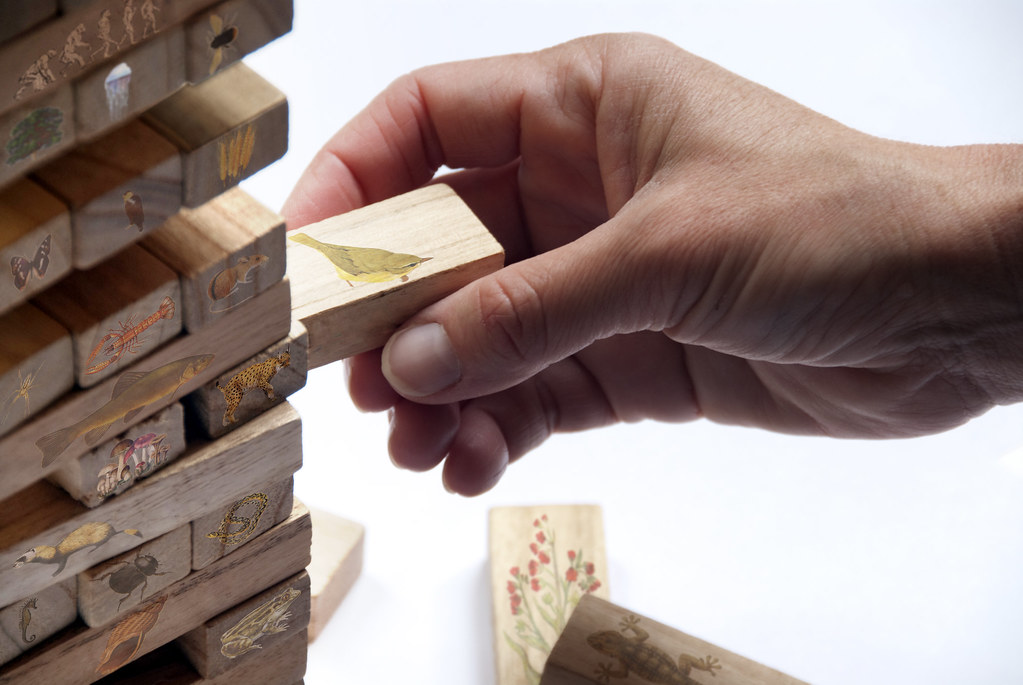
Physical vs. Virtual

AttributionNoncommercialShare Alike Some rights reserved by szczym

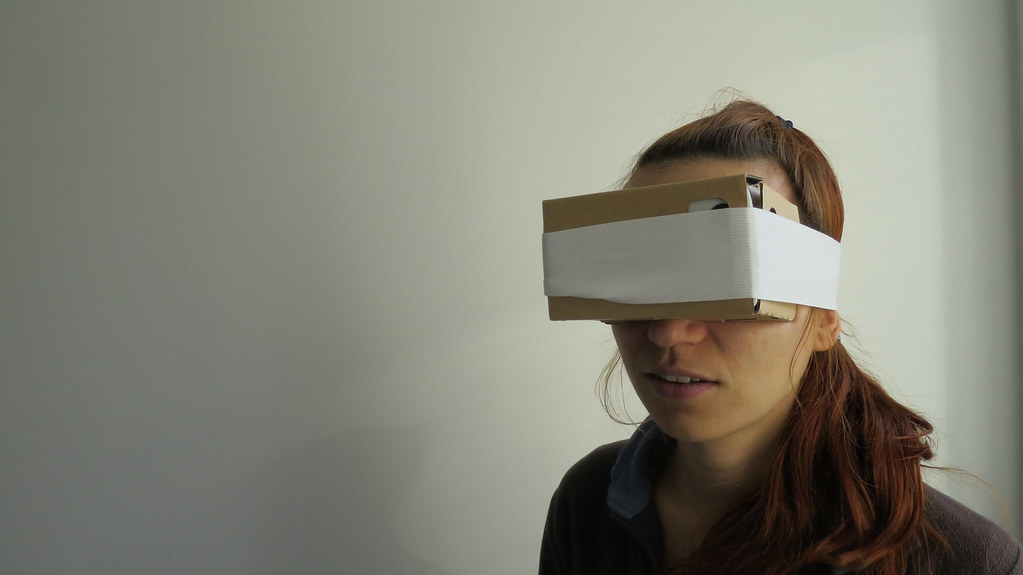
At a conference last weekend I had some fun with google cardboard, we could go places we couldn’t go on our own, I saw the surface of Mars and went to different museums.  As a virtual opportunity (aside from some initial discomfort) it was pretty great.  Interestingly enough though the presentation I was leading was on environmental education.

My goal was to get people outside with their students. Often as teachers we don’t give students enough time to think about who they are and where they are.  This can deeply affect their understanding of themselves and others. I want students to be more present in the “real” world.  But I was at a tech conference, so I had to think deeply about the effects of virtual manipulatives.

In maths, or language, how can we harness the power of the virtual world to connect students. When using math manipulatives is there a difference between virtual and physical for learning? All these questions were popping up.

With a colleague we decided to start up a podcast, and this is going to be our first dive into it.  What is the difference and does it matter to understanding? I’m not sure we have answers, but it will be interesting to talk about.

Access to the Outdoors helps us learn


AttributionNoncommercial
 Some rights reserved by Massimo Valiani

I was reading this article about why people have better memory recall when they have access to the outdoors.  It seems like there is a lot of research out there right now where relationships and feelings matter.  Access to the outdoors, according the article help students feel better which helps them do better at school.  It doesn’t seem like it’s too hard, but it’s an important thing to remember.

So, how much access do students need? What are our experiences outside? What matters most to being outside?  I have lots of questions for the upcoming weeks.

What is Nature Smart


AttributionNoncommercialNo Derivative Works
 Some rights reserved by FotoGrazio

Just had an interesting conversation with a grade 5 teacher about “nature smart”. 

He wasn’t totally convinced that multiple intelligences were something we should be teaching towards, specifically with nature smart ideas. 
I fully understand that encouraging people to develop growth mindsets can get them out of a box of learning a specific way and not just focusing on their strengths. The conversation which really got me though was, what was nature smart? 
In the book he was looking at it said something like liking animals as a basis, his question (and rightly) was who doesn’t like animals? Does that really make you nature smart. 
I started talking about the ability to see things in systems, not really sure if that’s nature smart, but looking at connections between animals, and creating empathy that kind of thing. But wasn’t really sure. 
So this week will be digging a little deeper into my ecoliteracy book, trying to convince him about maybe thinking ecoliterate is a little different from nature smart, we’ll see. 

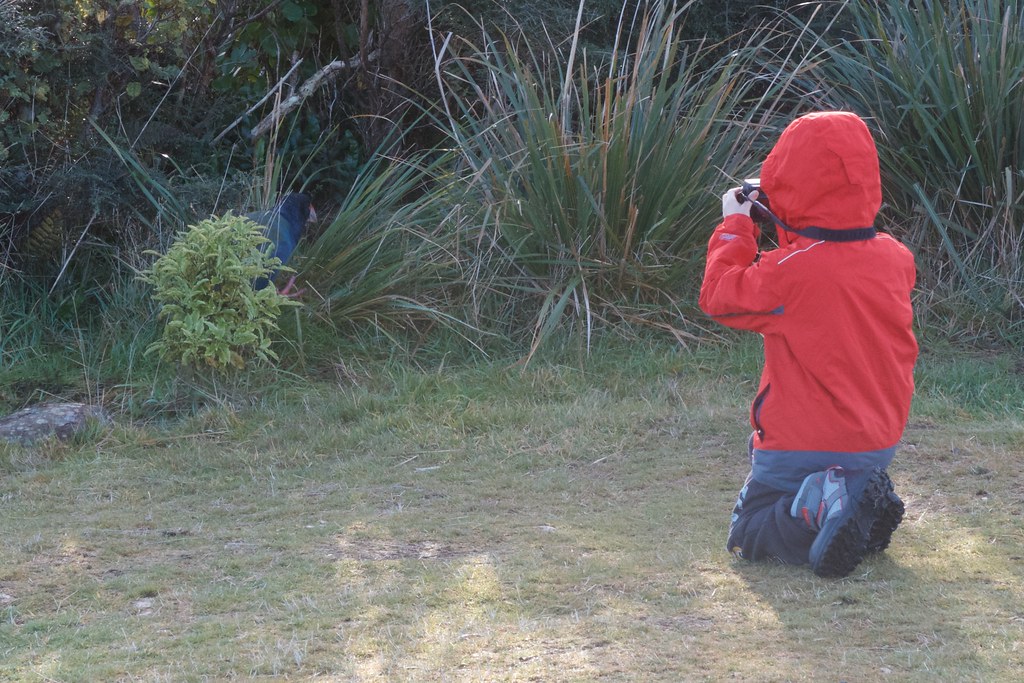
Finally getting outside


Attribution
 Some rights reserved by Eneas

The past couple of weeks here have been “haze filled” so students couldn’t go outside very often, this included recess. 

After reading Richard Louv and learning more about nature deficit disorder and experiencing these last couple of weeks, it’s easy to see how a school needs their students outside. More than just running around or getting exercise, students need the connection to other living things.  
Many of the units we’ve been inquiring into have looked at how we organize ourselves in groups.  The younger students especially had a difficult time with this because they had little time to connect with other living things (at least that’s what I think).  By building that empathy with other things we are more able to see ourselves as part of a system. When we see ourselves as part of a system we’re more likely (I think) to see how we can work for the benefit of a group of things, rather than just ourselves.
We (as teachers) had never really thought of this aspect before the haze.  Now we are wondering how we can reshape our units, to really look at how other living communities organize themselves, and if that is true, than how can we organize ourselves to benefit the community. 
We definitely had some interesting discussions, and once our term break is over, we’re all ready to finally get outside. 

Reflection

AttributionNoncommercialNo Derivative Works Some rights reserved by Rebirth Cycle

With our grade 3 classes we’ve been using blogs to reflect what we are learning. More than that though, I am hoping to make our reflections interesting.  Almost all of my students think that reflection is like a recount.  Here’s what we learned, this list of things.  I know now this.

It’s frustrating, mainly because I want to move away from that kind of learning, but my students obviously still see learning this way.  I try to tell them that let me know what you learned, not what was taught, what’s your big take away, why does it matter? 
Then I wonder why or who taught us how to reflect.  I think for my next couple of lessons I’m going to look at some other student blogs and teacher blogs to talk about what’s really important about learning. Then go to maybe tumblr or something to show how we are always kind of reflecting.  Maybe some comics, to talk about processing visually, maybe Nicki’s Blog to show how we can even think differently. 
School is off for two weeks so I have heaps of time to prepare, but how can we teach students to write interesting reflections, I’ve used them as the audience, and even they are bored.  So time to inspire I guess. 

Outdoor Discovery Center


AttributionNoncommercial
 Some rights reserved by Mollivan Jon

Our Outdoor Discovery Center opens this week.  However, “The Haze” is making it nearly impossible to go outside. This is going to be a great way for students to learn about how to take personal buying action (hopefully).

We’re going to be Looking Closely.  But first we’re going to find spots to look closely.

This week I’m headed out with the teachers after school to look for great spots to notice life.  Then we will bring the students out with cameras and get them prepped for sitting still and being patient and then being a part of our living community.

With the smoke everywhere outside, I don’t know when we can get the students out. Fall break is fast approaching so we may have to wait until after then, but we are all really excited.

Diversity Matters


AttributionNoncommercialNo Derivative Works
 Some rights reserved by The Open University (OU)

I’ve been wondering a lot lately about the importance of diversity.  Too often in the classroom teachers are trying to create an “ideal” student, or a student that fits their particular preference.

When we think (or when I guess environmentally minded people think) about the environment we think of the strength of diversity.  How it helps make our system stronger, which in turn helps make us, as humans, better.  I guess I wonder who does this in class, we often talk about how we appreciate different perspectives, and different ways of knowing, but in my trips through classrooms I don’t know how this is championed or truly used.
How can we as groups look more towards the diversity of our classroom? How does it push our thinking? How does it makes us better learners? Then, can we look outside, and see how our local community works, see what makes it strong, it’s not everyone being the same, it’s everyone being different.  
How can we engage learners in our class to focus on diversity? Recently I read an article about student centered learning my biggest takeaway was this.

You cannot counter structural social inequality by good will.  You need to design structural equality into the classroom.  
          Structuring equality in classroom discussion–in a lecture or a seminar–is actually quite easy to do but it is not intuitive. At least, it was not intuitive for me. I learned several tricks from other people and I pass them on every time I give a public lecture and use at least one or two of them every class period.  They work.  They change the dynamic.  They change the way everyone participates.  When the situation is equal, no one hides, no one wants to hide, and no one bullies.
Looking forward to trying to make this happen