![]() |
I was just talking to one of my colleagues about this lately. How can we shape our classroom, and our classroom culture differently.

Exploring the Environment
![]() |
I was just talking to one of my colleagues about this lately. How can we shape our classroom, and our classroom culture differently.
![]() |
![]() |
Orientation week is always interesting when you have been at the same school for awhile. You get a sense of what people will be stressed out about, you kind of understand what might help them, but for the most part you just are there to respond to specific stresses and develop and manage relationships.
![]() |
I’m pretty excited about this new year. A lot of things will be going on. Some of my grade three teachers will be going one to one with ipads, really going to focus on cognitive coaching with (so far) six teachers (I’m hoping to build on that) and bringing a new fishbowl type model of PD to school.
![]() |
| Pancho wondering |
In part of Place * Being * Resonance it discusses the power of technology. The worry presented is that when we use technology we attack a problem from one point of view, and using one solution in mind. Regardless of the multitude of options technologically we are still thinking from a technological standpoint, and therefore think about an anthropocentric solution.
![]() |
Rarely do I think about poetry and it’s opportunity to create relationships by making metaphors. I’ve been slowly (but diligently and thoughtfully) reading this book.
| you can buy it here |
It continues to change the way I think, and how I want to grow as an educator. The whole idea of slowing doing, and really creating those deep connections is so important. This book calls for a change in approach to how we view aspects of environmental education. Specifically I enjoy the opportunity to engage more in poetry (which is something very new for me).
![]() |
| https://www.flickr.com/photos/befuddledsenses/ |
The end of the year is quickly approaching, and this is a time I find when teachers are definitely trying to speed things up. We want to get all of the content in before the students go to their next great, before they try to get things presentable to parents, and before we rush off to our summer vacations.
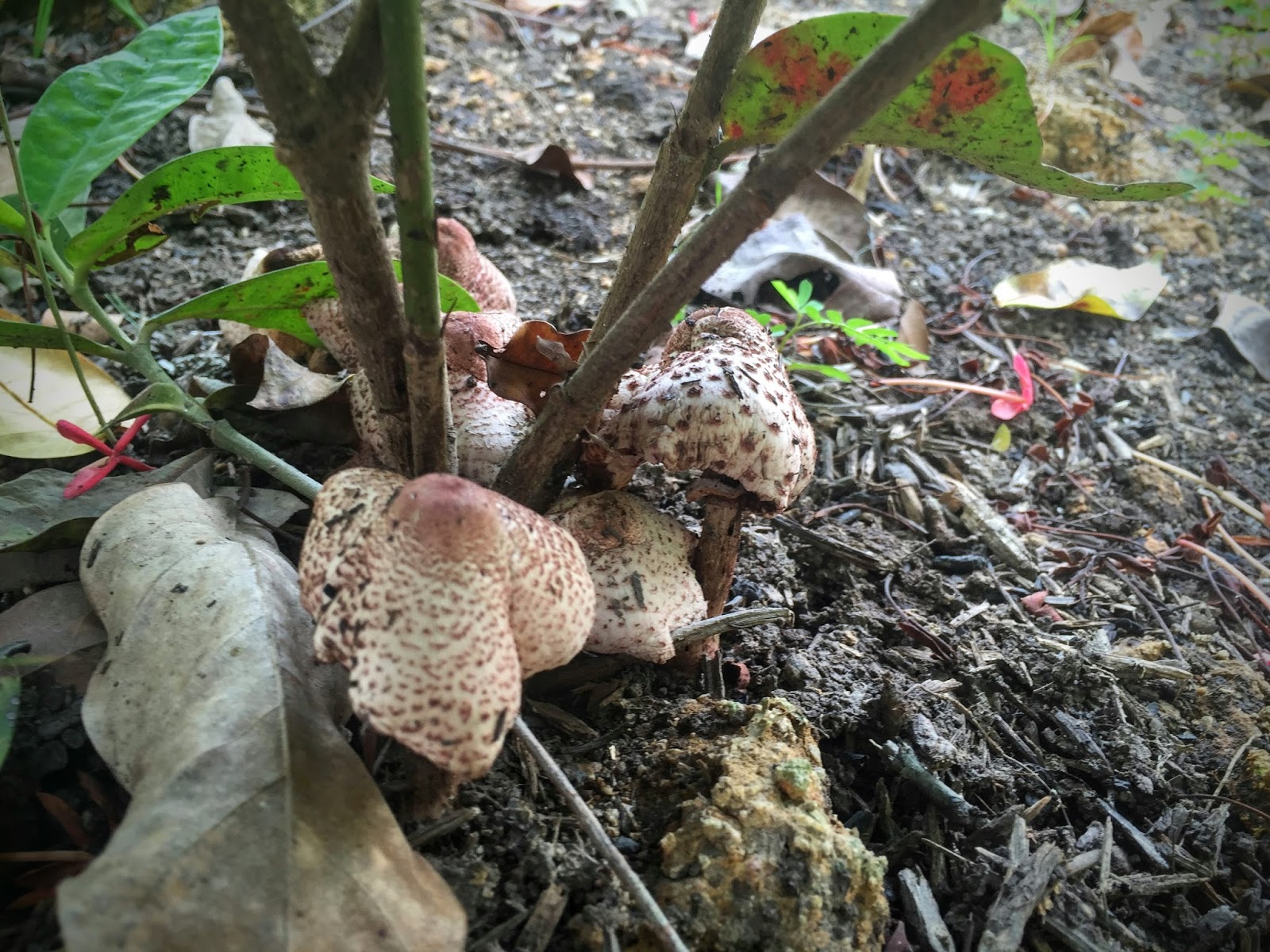
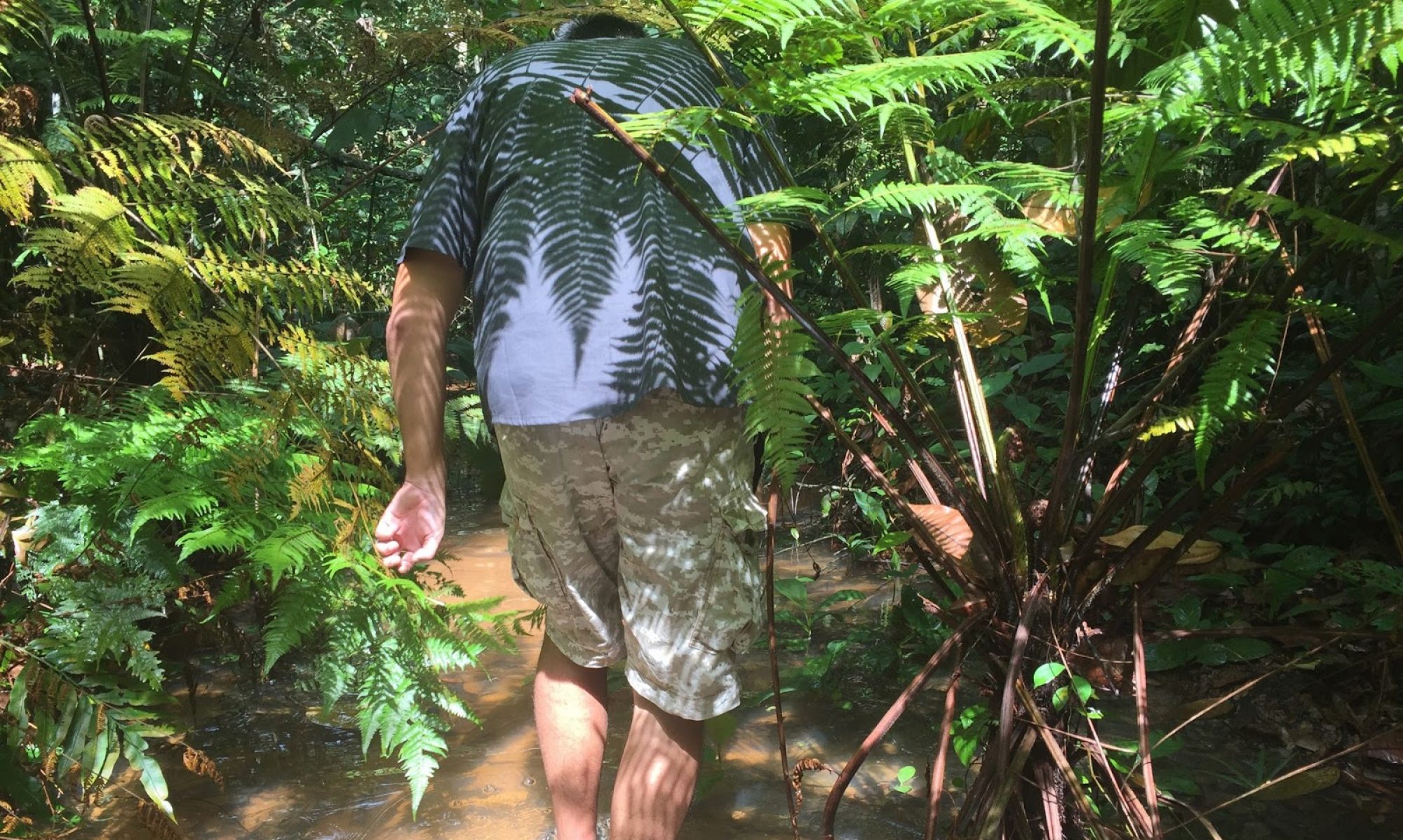
At our school at least half of the grade levels I work with are finishing the year with sharing the planet, so I’m pushing for a go slow movement for the next six or seven weeks. We need time to fully experience what it’s like outside in order to actually make those connections (something I feel I talk about all the time). I now have four classes I take outside every week. It’s a start (one class is trying to move to everyday next year), but we are moving forward which is great!
We are taking the time to wonder and think, something that is difficult for some teachers. We have to talk about connections and thinking deeply about how things work together (which is the central idea for most of our units, but never really adressed this way).
All in all, in just one week I’ve seen more excitement about the unit. Students are actively engaged and posing good questions. This week we are trying to “look closely” to see how things work and what things look like.
Going slow is great for us right now, hopefully I can convince some teachers to keep it up after these seven weeks.
![]() |
Wow, these last couple weeks have been really frustrating. Working with teachers and coaching one on one, a lot of them feel frustrated that they haven’t met the particular outcomes they felt they needed to meet. We’ve talked a lot about content vs concepts, and moving towards changing our thinking with our culture of thinking model.