![]() |
Joyful Places
![]() |
I’ve been thinking a lot about places and how to get people connected to places. Recently I was asked if Singapore was a “joyful place”, it really got me thinking.
Place Based Education
![]() |
Connecting people to a place has been an ongoing concern of mine. I have just started reading this book.
![]() |
| Link to Amazon |
One of the things I worry most about is that the focus of place based learning all seems to be on certain countries. While many of the issues are global and easily transferable not everything makes sense in my tropical world.
![]() |
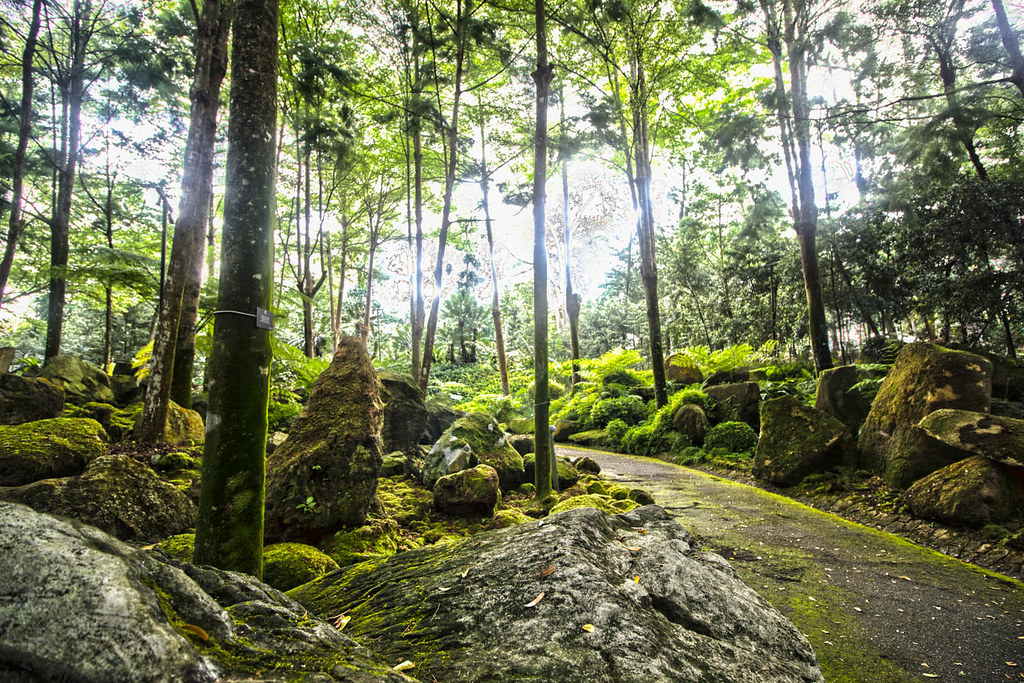
| Bukit Timah Nature Reserver |
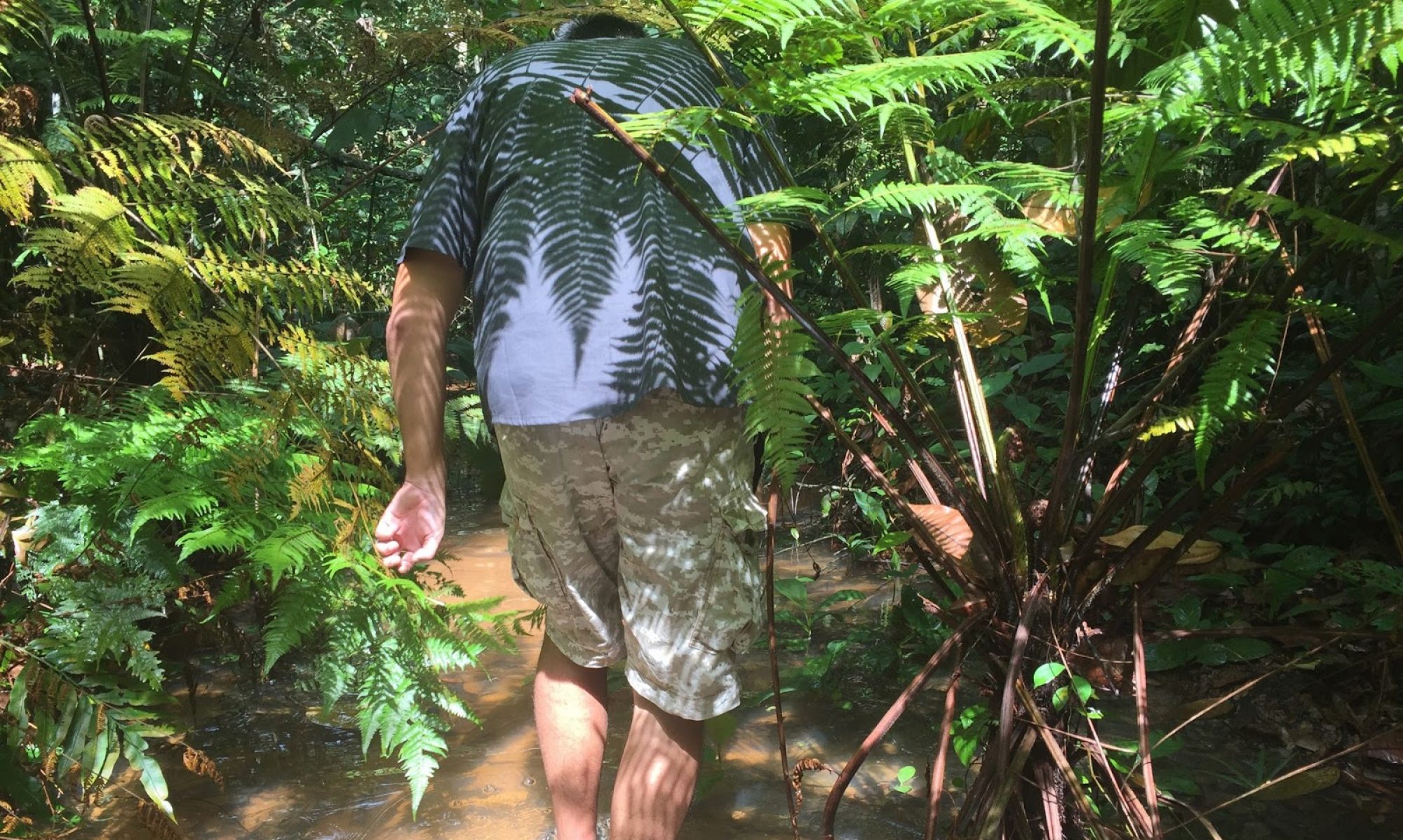
Working with an expert in my new country, I learned a lot about what things were living in Singapore, where our water source was, and how to find my way around the bush without too much equipment.
Place based learning in an unknown place
![]() |
I have been thinking about this a lot and it played a role in my thesis work a couple of years ago. I wonder how as international we can teach about a place without fully knowing it. This year we’ve been working hard with our outdoor discovery centre trying to connect teachers to where we live. By looking at local plants, and seeing the wildlife that lives around our area we are hoping that people are more connected.
Collaborating
![]() |
Since the holiday things have been full on, exciting, but busy. We want to move more towards a fish bowl model of professional development at our school. We’ve put in our proposal and are waiting for our chance to talk with administration.
Virtual field trips
Physical vs. Virtual
![]() |
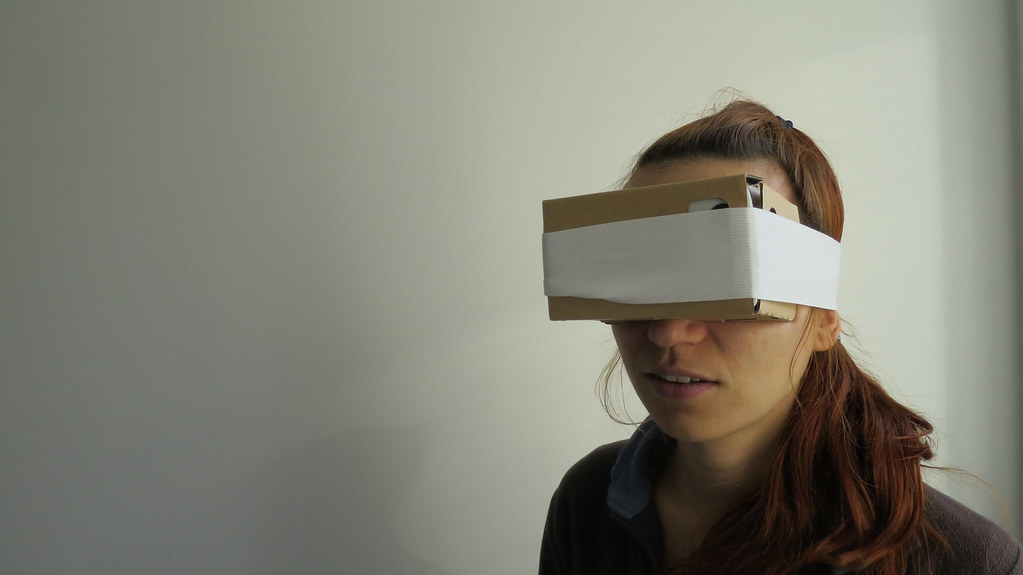
At a conference last weekend I had some fun with google cardboard, we could go places we couldn’t go on our own, I saw the surface of Mars and went to different museums. As a virtual opportunity (aside from some initial discomfort) it was pretty great. Interestingly enough though the presentation I was leading was on environmental education.
My goal was to get people outside with their students. Often as teachers we don’t give students enough time to think about who they are and where they are. This can deeply affect their understanding of themselves and others. I want students to be more present in the “real” world. But I was at a tech conference, so I had to think deeply about the effects of virtual manipulatives.
In maths, or language, how can we harness the power of the virtual world to connect students. When using math manipulatives is there a difference between virtual and physical for learning? All these questions were popping up.
With a colleague we decided to start up a podcast, and this is going to be our first dive into it. What is the difference and does it matter to understanding? I’m not sure we have answers, but it will be interesting to talk about.
Access to the Outdoors helps us learn
![]() |
I was reading this article about why people have better memory recall when they have access to the outdoors. It seems like there is a lot of research out there right now where relationships and feelings matter. Access to the outdoors, according the article help students feel better which helps them do better at school. It doesn’t seem like it’s too hard, but it’s an important thing to remember.
So, how much access do students need? What are our experiences outside? What matters most to being outside? I have lots of questions for the upcoming weeks.
What is Nature Smart
![]() |
Just had an interesting conversation with a grade 5 teacher about “nature smart”.